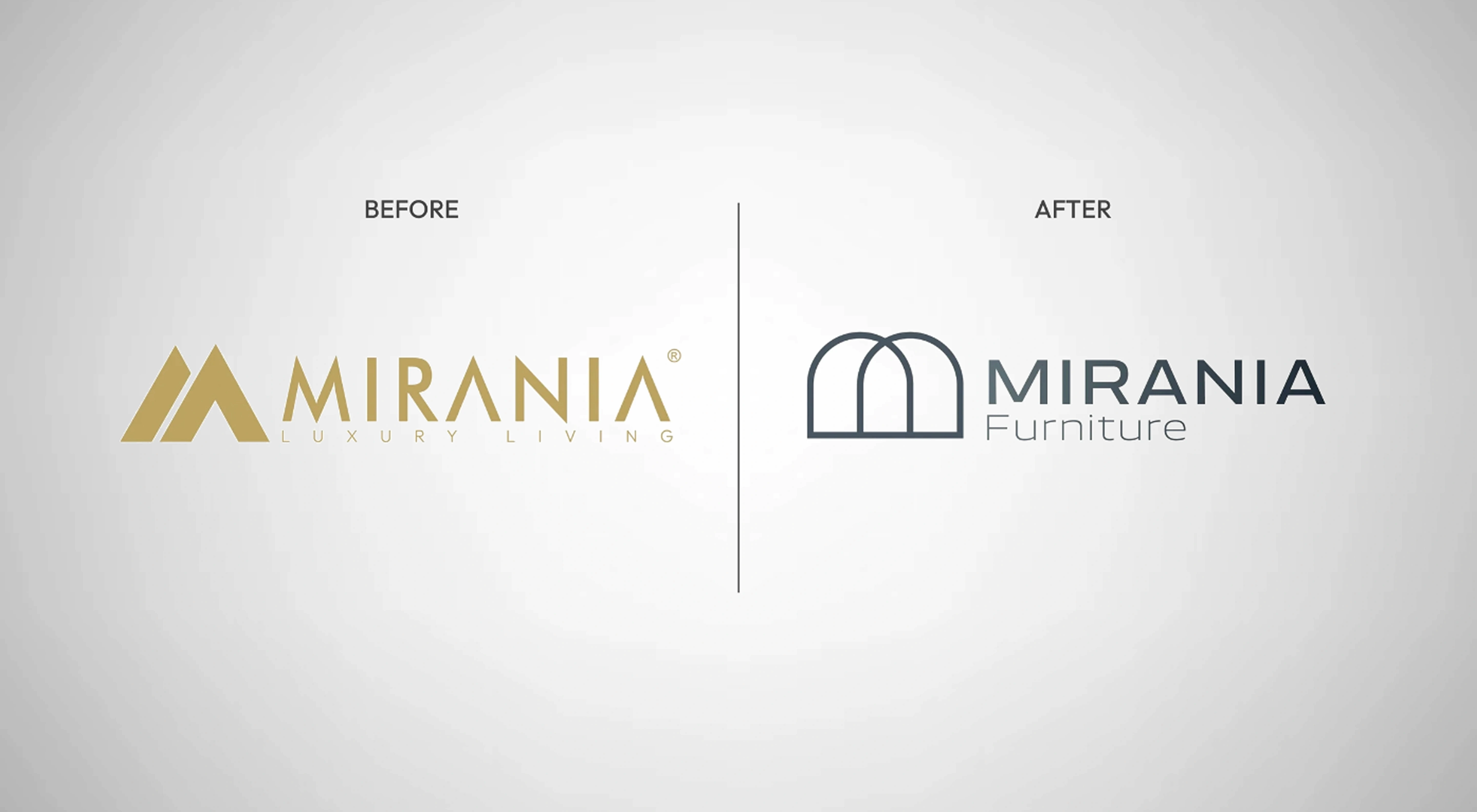
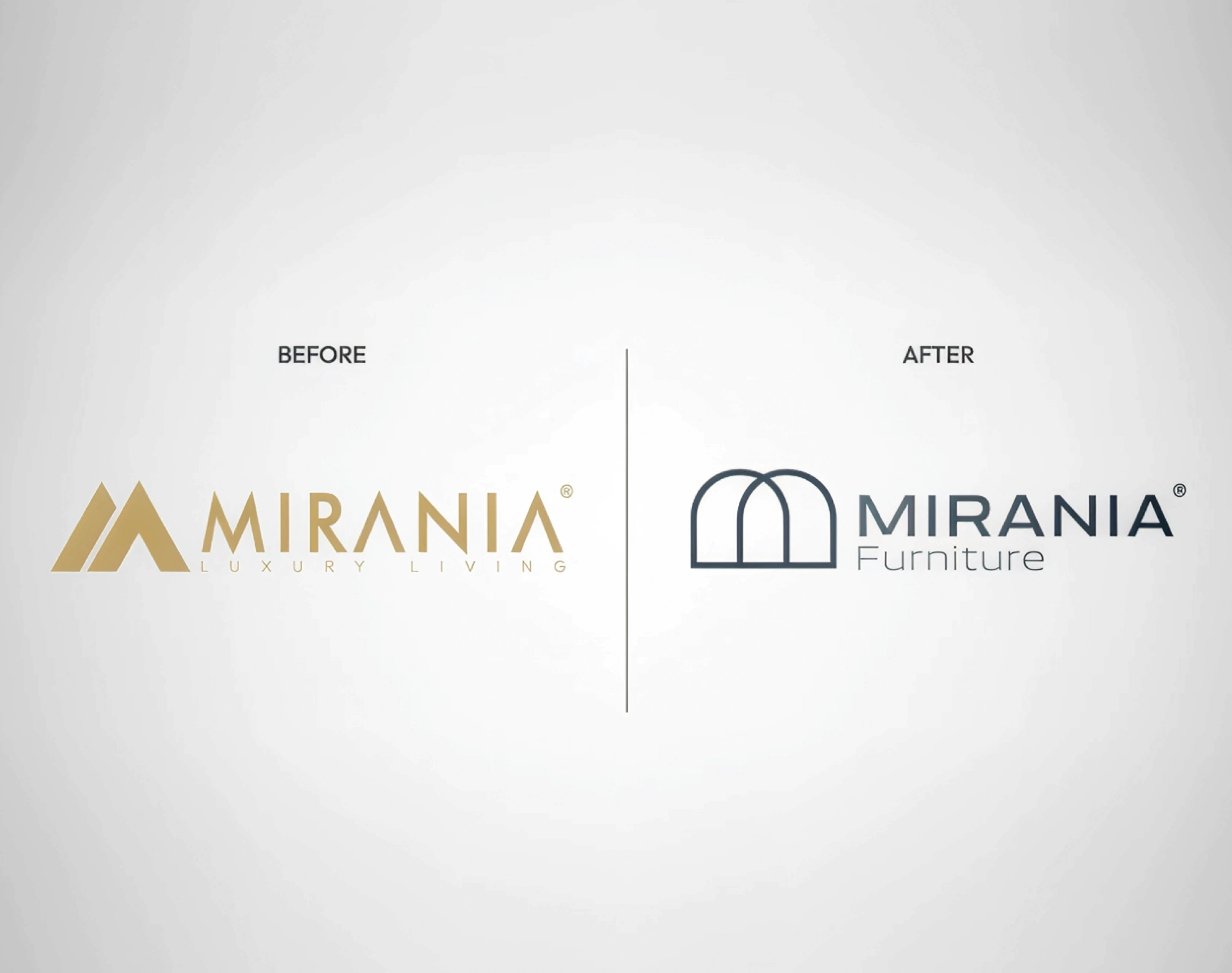

Rebrand vs Brand Refresh: Which Does Your Business Need?
Rebrand vs Brand Refresh: Which Does Your Business Need?
Rebrand vs Brand Refresh: Which Does Your Business Need?
Published
Published
August 06, 2026
August 06, 2026
Read time
Read time
8 min
8 min
The Quick Rule of Thumb
The Quick Rule of Thumb
The Quick Rule of Thumb
A brand refresh changes how your brand looks; a rebrand changes what your brand means.
The simplest way to decide between a rebrand vs brand refresh is to look beyond the visuals and ask:
Has your positioning, target audience, or business model significantly changed?
If the answer is yes, you likely need a rebrand. A full rebrand can address deeper changes in strategy, positioning, messaging, and identity.
If the business itself has not fundamentally changed, but the identity feels dated, inconsistent, or difficult to use, a visual refresh is usually enough.
There are exceptions. A name change, merger, trademark issue, reputational problem, or major market expansion can require a full rebrand even when the core business remains similar. A brand audit can help identify the right approach before making that decision.
A brand refresh changes how your brand looks; a rebrand changes what your brand means.
The simplest way to decide between a rebrand vs brand refresh is to look beyond the visuals and ask:
Has your positioning, target audience, or business model significantly changed?
If the answer is yes, you likely need a rebrand. A full rebrand can address deeper changes in strategy, positioning, messaging, and identity.
If the business itself has not fundamentally changed, but the identity feels dated, inconsistent, or difficult to use, a visual refresh is usually enough.
There are exceptions. A name change, merger, trademark issue, reputational problem, or major market expansion can require a full rebrand even when the core business remains similar. A brand audit can help identify the right approach before making that decision.
What Is a Brand Refresh?
What Is a Brand Refresh?
What Is a Brand Refresh?
The simplest brand refresh meaning is an update to an existing brand identity without fundamentally changing what the business stands for.
A refresh modernises how the brand looks and works while preserving the elements that already carry recognition and brand equity. Instead of starting again, the goal is to strengthen what already exists.
A typical brand refresh may include:
Refining the existing logo
Modernising the colour palette
Updating typography
Improving accessibility and contrast
Expanding the visual system
Updating imagery or iconography
Rebuilding templates and marketing collateral
Creating clearer brand guidelines
Importantly, a refresh usually preserves the company name, core positioning, audience, and recognisable elements of the existing identity. If customers already associate a particular symbol, colour, or wordmark with the business, retaining that equity can be more valuable than replacing it.
Most refresh projects are also faster and require less organisational effort than full rebrands. The timeline depends on the number of touchpoints, stakeholders, and assets that need updating, but the strategic foundation generally remains intact.
Common triggers include visuals that feel dated despite the business remaining relevant, an identity that was designed before mobile and digital-first applications became important, or inconsistent branding across websites, presentations, social media, and sales materials.
A refresh can also solve accessibility problems when an existing palette lacks sufficient contrast or typography performs poorly on screens.
The key distinction in brand refresh vs rebrand is that a refresh evolves an existing identity rather than replacing its strategic foundation.
The simplest brand refresh meaning is an update to an existing brand identity without fundamentally changing what the business stands for.
A refresh modernises how the brand looks and works while preserving the elements that already carry recognition and brand equity. Instead of starting again, the goal is to strengthen what already exists.
A typical brand refresh may include:
Refining the existing logo
Modernising the colour palette
Updating typography
Improving accessibility and contrast
Expanding the visual system
Updating imagery or iconography
Rebuilding templates and marketing collateral
Creating clearer brand guidelines
Importantly, a refresh usually preserves the company name, core positioning, audience, and recognisable elements of the existing identity. If customers already associate a particular symbol, colour, or wordmark with the business, retaining that equity can be more valuable than replacing it.
Most refresh projects are also faster and require less organisational effort than full rebrands. The timeline depends on the number of touchpoints, stakeholders, and assets that need updating, but the strategic foundation generally remains intact.
Common triggers include visuals that feel dated despite the business remaining relevant, an identity that was designed before mobile and digital-first applications became important, or inconsistent branding across websites, presentations, social media, and sales materials.
A refresh can also solve accessibility problems when an existing palette lacks sufficient contrast or typography performs poorly on screens.
The key distinction in brand refresh vs rebrand is that a refresh evolves an existing identity rather than replacing its strategic foundation.
What Is a Full Rebrand?
What Is a Full Rebrand?
What Is a Full Rebrand?
A full rebrand is a strategic change to how a business positions, presents, and communicates itself. Unlike a visual refresh, it can reconsider the foundations of the brand rather than simply modernising its appearance.
A rebrand may involve:
Brand research and audits
New or revised positioning
Audience and competitor research
Messaging and brand promise development
A potential name change
A completely new visual identity
New verbal identity
Brand guidelines
A coordinated internal and external rollout
This is why a rebrand should be treated as a business project, not simply a design project. Decisions about positioning, audiences, architecture, naming, and messaging can affect marketing, sales, product, recruitment, customer experience, and company culture.
Knowing when to rebrand usually starts with identifying a fundamental business change. Common triggers include a merger or acquisition, a major pivot, moving into a more premium market, consolidating several brands, entering a new category, resolving a trademark conflict, or distancing the business from serious reputational baggage.
A full rebrand typically takes longer than a refresh because it requires deeper research, strategic decisions, testing, and stakeholder buy-in before design and implementation can be completed.
Teams also tend to underestimate the rollout. Websites, sales materials, signage, packaging, social profiles, internal documents, and other legacy assets may all need updating.
When comparing a rebrand vs brand refresh, the question is therefore not simply how much you want the design to change. If the business has changed at a strategic level, the identity may need to change with it.
A full rebrand is a strategic change to how a business positions, presents, and communicates itself. Unlike a visual refresh, it can reconsider the foundations of the brand rather than simply modernising its appearance.
A rebrand may involve:
Brand research and audits
New or revised positioning
Audience and competitor research
Messaging and brand promise development
A potential name change
A completely new visual identity
New verbal identity
Brand guidelines
A coordinated internal and external rollout
This is why a rebrand should be treated as a business project, not simply a design project. Decisions about positioning, audiences, architecture, naming, and messaging can affect marketing, sales, product, recruitment, customer experience, and company culture.
Knowing when to rebrand usually starts with identifying a fundamental business change. Common triggers include a merger or acquisition, a major pivot, moving into a more premium market, consolidating several brands, entering a new category, resolving a trademark conflict, or distancing the business from serious reputational baggage.
A full rebrand typically takes longer than a refresh because it requires deeper research, strategic decisions, testing, and stakeholder buy-in before design and implementation can be completed.
Teams also tend to underestimate the rollout. Websites, sales materials, signage, packaging, social profiles, internal documents, and other legacy assets may all need updating.
When comparing a rebrand vs brand refresh, the question is therefore not simply how much you want the design to change. If the business has changed at a strategic level, the identity may need to change with it.
Rebrand vs Refresh: Side-by-Side Comparison
Rebrand vs Refresh: Side-by-Side Comparison
Rebrand vs Refresh: Side-by-Side Comparison
The main difference between a rebrand vs brand refresh is the depth of change. A refresh improves an existing identity, while a rebrand can redefine the strategy, positioning, and identity behind the business.
The main difference between a rebrand vs brand refresh is the depth of change. A refresh improves an existing identity, while a rebrand can redefine the strategy, positioning, and identity behind the business.
Brand Refresh
Brand Refresh
Full Rebrand
Full Rebrand
Scope
Updates the existing identity
Rebuilds the broader brand
What changes
Colours, type, logo, templates
Strategy, messaging, identity, possibly name
What stays
Positioning and core brand equity
Only relevant equity elements
Typical timeline
Shorter and more focused
Longer and more complex
Relative cost
Lower
Higher
Business risk
Lower
Higher
Internal effort
Moderate
Significant stakeholder involvement
Right call when
Brand works but looks dated
Business meaning or direction has changed
Brand Refresh
Full Rebrand
Scope
Updates the existing identity
Rebuilds the broader brand
What changes
Colours, type, logo, templates
Strategy, messaging, identity, possibly name
What stays
Positioning and core brand equity
Only relevant equity elements
Typical timeline
Shorter and more focused
Longer and more complex
Relative cost
Lower
Higher
Business risk
Lower
Higher
Internal effort
Moderate
Significant stakeholder involvement
Right call when
Brand works but looks dated
Business meaning or direction has changed
The most important factor is brand equity. If customers already recognise and trust your name, logo, colours, or other distinctive assets, replacing them unnecessarily can weaken recognition.
A refresh protects more of that existing equity. A rebrand accepts greater change because the current identity or positioning no longer supports where the business is going. The right decision is therefore not about which option creates a bigger visual change, but how much of the existing brand is still valuable.
The most important factor is brand equity. If customers already recognise and trust your name, logo, colours, or other distinctive assets, replacing them unnecessarily can weaken recognition.
A refresh protects more of that existing equity. A rebrand accepts greater change because the current identity or positioning no longer supports where the business is going. The right decision is therefore not about which option creates a bigger visual change, but how much of the existing brand is still valuable.
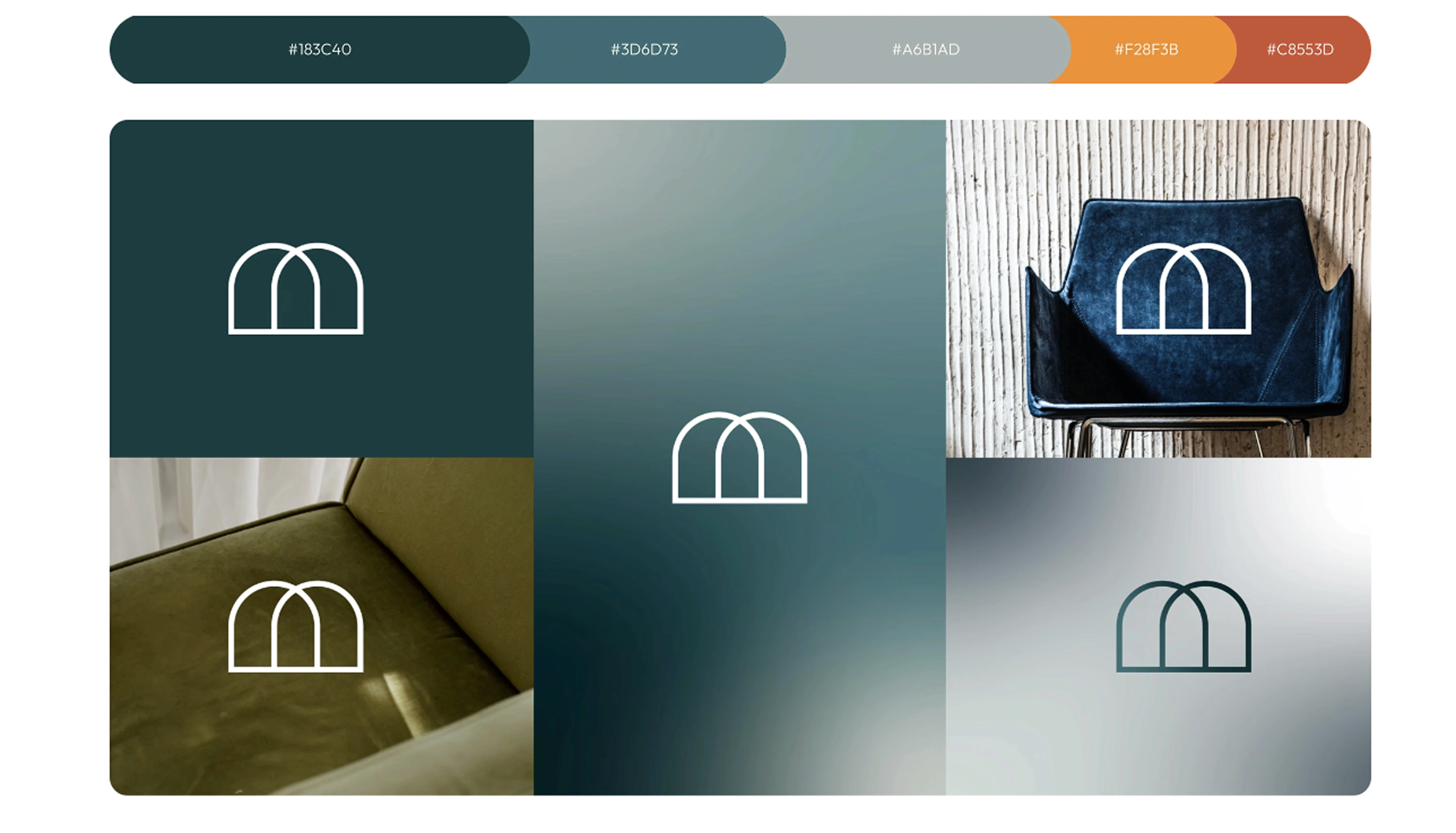
Signs You Only Need a Brand Refresh
Signs You Only Need a Brand Refresh
Signs You Only Need a Brand Refresh
Not every outdated identity needs to be replaced. If the strategy and positioning still work, a visual refresh can solve practical design problems while preserving existing recognition.
Not every outdated identity needs to be replaced. If the strategy and positioning still work, a visual refresh can solve practical design problems while preserving existing recognition.
Your positioning still fits, but the visuals feel dated
Your positioning still fits, but the visuals feel dated
Your positioning still fits, but the visuals feel dated
Your audience, offer, and market position remain relevant, but the identity looks noticeably older than the business itself.
In practice: Your product has evolved, while your logo, typography, or colour palette still reflects how the company looked years ago.
Your audience, offer, and market position remain relevant, but the identity looks noticeably older than the business itself.
In practice: Your product has evolved, while your logo, typography, or colour palette still reflects how the company looked years ago.
You already have strong recognition
You already have strong recognition
You already have strong recognition
If customers recognise your name, core mark, or distinctive colours, replacing them can put valuable brand equity at risk.
In practice: Customers identify your business easily, but supporting design elements need modernisation.
If customers recognise your name, core mark, or distinctive colours, replacing them can put valuable brand equity at risk.
In practice: Customers identify your business easily, but supporting design elements need modernisation.
Your brand is applied inconsistently
Your brand is applied inconsistently
Your brand is applied inconsistently
Inconsistency often comes from missing or outdated guidelines rather than a weak identity.
In practice: Sales decks, social posts, websites, and marketing materials use different fonts, colours, or layouts because teams lack clear rules.
Inconsistency often comes from missing or outdated guidelines rather than a weak identity.
In practice: Sales decks, social posts, websites, and marketing materials use different fonts, colours, or layouts because teams lack clear rules.
Your identity struggles in digital environments
Your identity struggles in digital environments
Your identity struggles in digital environments
Older identities were not always designed for mobile screens, dark mode, apps, or responsive interfaces.
In practice: Your logo becomes unreadable at small sizes or your visual elements do not adapt well across digital touchpoints.
Older identities were not always designed for mobile screens, dark mode, apps, or responsive interfaces.
In practice: Your logo becomes unreadable at small sizes or your visual elements do not adapt well across digital touchpoints.
Your current colours create accessibility problems
Your current colours create accessibility problems
Your current colours create accessibility problems
A palette may look distinctive but provide insufficient contrast for readable digital experiences.
In practice: Text, buttons, or interface elements fail accessibility standards when existing brand colours are applied.
A palette may look distinctive but provide insufficient contrast for readable digital experiences.
In practice: Text, buttons, or interface elements fail accessibility standards when existing brand colours are applied.
You have outgrown a DIY identity
You have outgrown a DIY identity
You have outgrown a DIY identity
Many businesses launch with template-based or self-created branding that becomes limiting as they grow.
In practice: The brand still represents the right business, but its visual execution no longer matches the quality of your product or service.
These situations generally point toward a brand refresh vs rebrand because the foundation remains useful. The goal is to improve how the identity performs, not redefine what the business means.
Many businesses launch with template-based or self-created branding that becomes limiting as they grow.
In practice: The brand still represents the right business, but its visual execution no longer matches the quality of your product or service.
These situations generally point toward a brand refresh vs rebrand because the foundation remains useful. The goal is to improve how the identity performs, not redefine what the business means.
Signs You Need a Full Rebrand
Signs You Need a Full Rebrand
Signs You Need a Full Rebrand
Some problems go deeper than visual design. The clearest signs you need a rebrand appear when the current brand no longer represents the business, audience, or direction accurately.
Some problems go deeper than visual design. The clearest signs you need a rebrand appear when the current brand no longer represents the business, audience, or direction accurately.
Your positioning or audience has changed
Your positioning or audience has changed
Your positioning or audience has changed
A major shift in who you serve or how you compete can make the existing brand misleading.
In practice: A company that originally served small businesses now targets enterprise clients, but its positioning and identity still feel entry-level.
A major shift in who you serve or how you compete can make the existing brand misleading.
In practice: A company that originally served small businesses now targets enterprise clients, but its positioning and identity still feel entry-level.
Your business has merged or acquired another company
Your business has merged or acquired another company
Your business has merged or acquired another company
Mergers and acquisitions often create overlapping names, identities, products, and cultures that need to be brought together.
In practice: Two recognised businesses now need one clear positioning and identity instead of maintaining competing brand systems.
Mergers and acquisitions often create overlapping names, identities, products, and cultures that need to be brought together.
In practice: Two recognised businesses now need one clear positioning and identity instead of maintaining competing brand systems.
Your name no longer works
Your name no longer works
Your name no longer works
A name change may become necessary when the current name limits expansion, creates confusion, or faces legal or trademark restrictions.
In practice: A geographically specific name becomes restrictive when the company expands internationally.
A name change may become necessary when the current name limits expansion, creates confusion, or faces legal or trademark restrictions.
In practice: A geographically specific name becomes restrictive when the company expands internationally.
The brand carries reputational baggage
The brand carries reputational baggage
The brand carries reputational baggage
Sometimes the existing name or identity has become strongly associated with negative experiences that operational improvements alone cannot overcome.
In practice: Customer research shows that outdated perceptions continue to damage trust even after major business changes.
Sometimes the existing name or identity has become strongly associated with negative experiences that operational improvements alone cannot overcome.
In practice: Customer research shows that outdated perceptions continue to damage trust even after major business changes.
You are entering markets where the brand does not translate
You are entering markets where the brand does not translate
You are entering markets where the brand does not translate
Names, language, symbols, and messaging can carry different meanings across cultures and markets.
In practice: International expansion reveals that the existing name or positioning is confusing or inappropriate in an important new market.
Names, language, symbols, and messaging can carry different meanings across cultures and markets.
In practice: International expansion reveals that the existing name or positioning is confusing or inappropriate in an important new market.
Your identity contradicts the product you now sell
Your identity contradicts the product you now sell
Your identity contradicts the product you now sell
A business can change substantially while its identity remains anchored to its past.
In practice: A company now selling sophisticated technology still presents itself like the basic service provider it was when it launched.
Knowing when to rebrand requires looking at the business beneath the visuals. When strategy, positioning, audience, reputation, or market context has fundamentally changed, a refresh may only hide the deeper problem.
A business can change substantially while its identity remains anchored to its past.
In practice: A company now selling sophisticated technology still presents itself like the basic service provider it was when it launched.
Knowing when to rebrand requires looking at the business beneath the visuals. When strategy, positioning, audience, reputation, or market context has fundamentally changed, a refresh may only hide the deeper problem.
Cost, Timeline and Risk Compared
Cost, Timeline and Risk Compared
Cost, Timeline and Risk Compared
When comparing a rebrand vs brand refresh, cost and timeline depend on how much of the existing brand needs to change. A refresh is usually faster and requires fewer resources because the strategy and core identity remain intact. A full rebrand involves deeper research, strategic decisions, design development, and a larger rollout.
The biggest factors affecting rebrand cost include:
Number of brand touchpoints
Depth of research and strategy
Number of stakeholders involved
Naming or repositioning requirements
Size of the identity system
Packaging, signage, or physical assets
Scale of the rollout
The design fee is also only part of the investment. Teams often overlook internal staff time, website updates, signage and print reprints, packaging plate changes, sales collateral, templates, social profiles, directory listings, and SEO migration.
Risk differs too. A refresh can become a half-measure if the underlying positioning is no longer relevant. A full rebrand carries greater risk because changing familiar assets can weaken hard-won recognition and brand equity.
The right investment depends on the problem you are solving. Spending less on a refresh will not help if the business needs repositioning, while rebuilding everything through a rebrand is unnecessary when the existing foundation remains strong.
When comparing a rebrand vs brand refresh, cost and timeline depend on how much of the existing brand needs to change. A refresh is usually faster and requires fewer resources because the strategy and core identity remain intact. A full rebrand involves deeper research, strategic decisions, design development, and a larger rollout.
The biggest factors affecting rebrand cost include:
Number of brand touchpoints
Depth of research and strategy
Number of stakeholders involved
Naming or repositioning requirements
Size of the identity system
Packaging, signage, or physical assets
Scale of the rollout
The design fee is also only part of the investment. Teams often overlook internal staff time, website updates, signage and print reprints, packaging plate changes, sales collateral, templates, social profiles, directory listings, and SEO migration.
Risk differs too. A refresh can become a half-measure if the underlying positioning is no longer relevant. A full rebrand carries greater risk because changing familiar assets can weaken hard-won recognition and brand equity.
The right investment depends on the problem you are solving. Spending less on a refresh will not help if the business needs repositioning, while rebuilding everything through a rebrand is unnecessary when the existing foundation remains strong.
Decision Checklist: Score Your Situation
Decision Checklist: Score Your Situation
Decision Checklist: Score Your Situation
Use this checklist to decide whether your situation points more strongly toward a brand refresh vs rebrand.
For each statement, choose A or B.
Your positioning:
A: Still accurately represents the business.
B: No longer reflects where the business is going.
Your target audience:
A: Has remained largely the same.
B: Has changed significantly.Your business model:
A: Has evolved without fundamentally changing.
B: Has undergone a major pivot.Your brand recognition:
A: Existing assets have valuable recognition.
B: Existing recognition provides little value.Your visual identity:
A: Feels dated but remains relevant.
B: Communicates the wrong positioning entirely.Your brand name:
A: Still works well.
B: Creates strategic, legal, or market limitations.Your reputation:
A: Is generally positive.
B: Carries significant negative associations.Your market:
A: Remains broadly familiar.
B: Has changed or expanded substantially.Your biggest problem:
A: Visual inconsistency or outdated execution.
B: A deeper strategy or perception problem.Your future direction:
A: Builds naturally on the existing brand.
B: Requires customers to see the business differently.
Mostly A answers: A brand refresh is likely the better fit.
Mostly B answers: The signs you need a rebrand are stronger, and a full rebrand may be appropriate.
Even split: Run a brand audit before deciding. Review customer perception, positioning, existing brand equity, competitor activity, and current touchpoints to identify whether the real problem is visual or strategic.
If your assessment points toward a new or evolved identity, explore our brand identity design services to understand how the right approach can support your next stage.
Use this checklist to decide whether your situation points more strongly toward a brand refresh vs rebrand.
For each statement, choose A or B.
Your positioning:
A: Still accurately represents the business.
B: No longer reflects where the business is going.
Your target audience:
A: Has remained largely the same.
B: Has changed significantly.Your business model:
A: Has evolved without fundamentally changing.
B: Has undergone a major pivot.Your brand recognition:
A: Existing assets have valuable recognition.
B: Existing recognition provides little value.Your visual identity:
A: Feels dated but remains relevant.
B: Communicates the wrong positioning entirely.Your brand name:
A: Still works well.
B: Creates strategic, legal, or market limitations.Your reputation:
A: Is generally positive.
B: Carries significant negative associations.Your market:
A: Remains broadly familiar.
B: Has changed or expanded substantially.Your biggest problem:
A: Visual inconsistency or outdated execution.
B: A deeper strategy or perception problem.Your future direction:
A: Builds naturally on the existing brand.
B: Requires customers to see the business differently.
Mostly A answers: A brand refresh is likely the better fit.
Mostly B answers: The signs you need a rebrand are stronger, and a full rebrand may be appropriate.
Even split: Run a brand audit before deciding. Review customer perception, positioning, existing brand equity, competitor activity, and current touchpoints to identify whether the real problem is visual or strategic.
If your assessment points toward a new or evolved identity, explore our brand identity design services to understand how the right approach can support your next stage.
How to Protect Brand Equity Either Way
How to Protect Brand Equity Either Way
How to Protect Brand Equity Either Way
Whether you choose a rebrand vs brand refresh, the goal should not be change for its own sake. Protect the parts of the existing brand that customers already recognise and value.
Whether you choose a rebrand vs brand refresh, the goal should not be change for its own sake. Protect the parts of the existing brand that customers already recognise and value.
Carry forward recognisable equity
Carry forward recognisable equity
Carry forward recognisable equity
Identify which assets hold the strongest brand equity before making changes. This could be a colour, symbol, name, typography style, tagline, or other distinctive element.
Where possible, carry at least one recognisable element into the new system. Familiar cues can help customers connect the updated identity with the business they already know.
Identify which assets hold the strongest brand equity before making changes. This could be a colour, symbol, name, typography style, tagline, or other distinctive element.
Where possible, carry at least one recognisable element into the new system. Familiar cues can help customers connect the updated identity with the business they already know.
Communicate internally first
Communicate internally first
Communicate internally first
Employees should understand what is changing, why it is changing, and how the updated brand should be used before customers encounter it.
Early stakeholder buy-in also helps identify practical problems and gives marketing, sales, product, and customer-facing teams time to prepare.
Employees should understand what is changing, why it is changing, and how the updated brand should be used before customers encounter it.
Early stakeholder buy-in also helps identify practical problems and gives marketing, sales, product, and customer-facing teams time to prepare.
Plan the rollout carefully
Plan the rollout carefully
Plan the rollout carefully
Not every touchpoint needs to change at the same moment. Prioritise high-visibility assets such as your website, social profiles, sales materials, and key customer communications, then phase out legacy assets systematically.
A planned rollout reduces confusion and prevents old and new identities from competing for too long.
Not every touchpoint needs to change at the same moment. Prioritise high-visibility assets such as your website, social profiles, sales materials, and key customer communications, then phase out legacy assets systematically.
A planned rollout reduces confusion and prevents old and new identities from competing for too long.
Prepare the digital and SEO migration
Prepare the digital and SEO migration
Prepare the digital and SEO migration
A rebrand involving a domain or name change requires additional planning. Set up appropriate redirects, update business listings and social profiles, review analytics and tracking, and preserve important website content and search signals.
Protecting equity means understanding what should change and what should remain familiar. A successful refresh or rebrand moves the business forward without unnecessarily discarding the recognition it has already earned.
A rebrand involving a domain or name change requires additional planning. Set up appropriate redirects, update business listings and social profiles, review analytics and tracking, and preserve important website content and search signals.
Protecting equity means understanding what should change and what should remain familiar. A successful refresh or rebrand moves the business forward without unnecessarily discarding the recognition it has already earned.
FAQ
FAQ
FAQ
What is the difference between a rebrand and a brand refresh?
What is the difference between a rebrand and a brand refresh?
What is the difference between a rebrand and a brand refresh?
A brand refresh updates the visual expression while keeping the name, positioning and core equity. A rebrand changes the underlying strategy and identity, and sometimes the name itself.
A brand refresh updates the visual expression while keeping the name, positioning and core equity. A rebrand changes the underlying strategy and identity, and sometimes the name itself.
How much does a brand refresh cost compared to a rebrand?
How much does a brand refresh cost compared to a rebrand?
How much does a brand refresh cost compared to a rebrand?
A refresh is typically a fraction of the cost because it reuses existing strategy and equity. A rebrand adds positioning research, a new identity system and a full rollout across every touchpoint.
A refresh is typically a fraction of the cost because it reuses existing strategy and equity. A rebrand adds positioning research, a new identity system and a full rollout across every touchpoint.
How do I know if I only need a refresh?
How do I know if I only need a refresh?
How do I know if I only need a refresh?
If your positioning, audience and business model are unchanged but the visuals feel dated or are applied inconsistently, a refresh is almost always sufficient.
If your positioning, audience and business model are unchanged but the visuals feel dated or are applied inconsistently, a refresh is almost always sufficient.
How long does a rebrand take?
How long does a rebrand take?
How long does a rebrand take?
Most rebrands run three to six months from discovery to launch, longer if there are many stakeholders, a name change or a large physical and print footprint to roll out.
Most rebrands run three to six months from discovery to launch, longer if there are many stakeholders, a name change or a large physical and print footprint to roll out.
Will a rebrand hurt my SEO?
Will a rebrand hurt my SEO?
Will a rebrand hurt my SEO?
It can if the migration is unplanned. Map and redirect every changed URL, update business listings and social profiles, and avoid changing domains unless there is a compelling reason.
It can if the migration is unplanned. Map and redirect every changed URL, update business listings and social profiles, and avoid changing domains unless there is a compelling reason.
Recomended blogs
Recomended blogs
Recomended blogs

Brand Identity Design
Brand Identity Design
Brand Identity vs Design System: What's the Difference?
Brand Identity vs Design System: What's the Difference?
June 24, 2026 | 10 min read
June 24, 2026 | 10 min read


Packaging Design
Brand Identity Design
7 Reasons why good design is crucial for brand
The Brand Identity Design Process, Step by Step
June 24, 2021 | 10 min read
June 24, 2026 | 10 min read
Packaging Design
Brand Identity Design
7 Reasons why good design is crucial for brand
Rebranding Mistakes That Destroy Brand Equity
June 24, 2021 | 10 min read
June 24, 2026 | 10 min read
Not sure whether your business needs a refresh or a full rebrand?
Not sure whether your business needs a refresh or a full rebrand?
Not sure whether your business needs a refresh or a full rebrand?
We can help you find the right direction and build an identity that supports where your business is going.
We can help you find the right direction and build an identity that supports where your business is going.
We can help you find the right direction and build an identity that supports where your business is going.
Get valuable strategy, culture, and brand insights straight to your inbox.
By signing up to receive emails from Abstrct Design, you agree to our Privacy Policy. We treat your info responsibly. Unsubscribe anytime.
© All rights reserved Abstrct Design - 2026
Contact Us
hello@abstrctdesign.com
To Ring
+91 98194 78752
Get valuable strategy, culture, and brand insights straight to your inbox.
By signing up to receive emails from Abstrct Design, you agree to our Privacy Policy. We treat your info responsibly. Unsubscribe anytime.
© All rights reserved Abstrct Design - 2026
Contact Us
hello@abstrctdesign.com
To Ring
+91 98194 78752
Get valuable strategy, culture, and brand insights straight to your inbox.
By signing up to receive emails from Abstrct Design, you agree to our Privacy Policy. We treat your info responsibly. Unsubscribe anytime.
© All rights reserved Abstrct Design - 2026
Contact Us
hello@abstrctdesign.com
To Ring
+91 98194 78752