

Logo vs Brand Identity:
What's the Difference?
Logo vs Brand Identity:
What's the Difference?
Logo vs Brand Identity:
What's the Difference?
Published
Published
August 06, 2026
August 06, 2026
Read time
Read time
8 min
8 min
What Is Brand Identity Design?
What Is Brand Identity Design?
What Is Brand Identity Design?
A logo is one visual asset inside a brand identity, not the brand identity itself.
The difference between logo and brand identity is scope. A logo identifies the business through a recognisable mark, while a brand identity adds the colour palette, typography, imagery, voice, visual system, and usage rules that shape how the brand appears across every touchpoint.
So, is a logo the same as a brand identity? No. A logo can help people recognise your business, but it cannot create consistency on its own. A complete brand identity gives teams clear rules for applying the logo and every supporting element across websites, social media, packaging, presentations, and other brand materials.
A logo is one visual asset inside a brand identity, not the brand identity itself.
The difference between logo and brand identity is scope. A logo identifies the business through a recognisable mark, while a brand identity adds the colour palette, typography, imagery, voice, visual system, and usage rules that shape how the brand appears across every touchpoint.
So, is a logo the same as a brand identity? No. A logo can help people recognise your business, but it cannot create consistency on its own. A complete brand identity gives teams clear rules for applying the logo and every supporting element across websites, social media, packaging, presentations, and other brand materials.
What Is a Logo?
What Is a Logo?
What Is a Logo?
A logo is a distinctive visual symbol or piece of typography used to identify a business, product, organisation, or service.
Its main job is identification. A strong logo gives people a simple visual cue they can recognise quickly, whether they see it on a website header, product package, social profile, business card, or app icon. Over time, repeated exposure can connect that mark with the experiences people have with the business, supporting brand recognition and recall.
Good logos are usually designed to remain clear at different sizes and across different applications. They should work on a large sign as well as a small mobile screen without losing their recognisability.
However, understanding logo vs brand means recognising the limits of the logo itself. A logo does not define which colours should dominate a website, which typeface should appear in a presentation, how photography should look, or how the business should communicate.
That distinction explains what a logo does not include: the broader visual and verbal rules required to create a consistent experience. Those elements belong to the brand identity.
A logo is a distinctive visual symbol or piece of typography used to identify a business, product, organisation, or service.
Its main job is identification. A strong logo gives people a simple visual cue they can recognise quickly, whether they see it on a website header, product package, social profile, business card, or app icon. Over time, repeated exposure can connect that mark with the experiences people have with the business, supporting brand recognition and recall.
Good logos are usually designed to remain clear at different sizes and across different applications. They should work on a large sign as well as a small mobile screen without losing their recognisability.
However, understanding logo vs brand means recognising the limits of the logo itself. A logo does not define which colours should dominate a website, which typeface should appear in a presentation, how photography should look, or how the business should communicate.
That distinction explains what a logo does not include: the broader visual and verbal rules required to create a consistent experience. Those elements belong to the brand identity.
Types of Logos
Types of Logos
Types of Logos
Logos can take several forms depending on the name, positioning, and needs of a brand .
Wordmark: The brand name presented in distinctive typography, such as Google.
Lettermark or monogram: Initials used instead of the full company name, such as IBM.
Pictorial mark: A recognisable image or symbol, such as Apple's apple.
Abstract mark: A custom geometric or symbolic brand mark that does not depict a literal object.
Combination mark: A symbol paired with a wordmark, giving the brand flexibility to use both together or separately.
Emblem: Text contained within a badge, seal, or other structured shape.
The right logo type depends on factors such as brand name length, industry, audience, and where the identity will appear most often.
Logos can take several forms depending on the name, positioning, and needs of a brand .
Wordmark: The brand name presented in distinctive typography, such as Google.
Lettermark or monogram: Initials used instead of the full company name, such as IBM.
Pictorial mark: A recognisable image or symbol, such as Apple's apple.
Abstract mark: A custom geometric or symbolic brand mark that does not depict a literal object.
Combination mark: A symbol paired with a wordmark, giving the brand flexibility to use both together or separately.
Emblem: Text contained within a badge, seal, or other structured shape.
The right logo type depends on factors such as brand name length, industry, audience, and where the identity will appear most often.
What a Complete Logo Suite Includes
What a Complete Logo Suite Includes
What a Complete Logo Suite Includes
A professional logo rarely comes as a single file. A complete logo suite provides variations that allow the brand mark to work across different formats and touchpoints. It typically includes:
Primary logo lockup
Horizontal and stacked variants
Icon-only or simplified brand mark
Monochrome version
Reversed version for dark backgrounds
Favicon and app icon
The suite should also define minimum clear space around the logo and a minimum display size to protect readability.
These variations solve practical problems. A wide primary logo may work well on a website but not inside a square social profile. A complete logo suite provides the flexibility needed without changing the identity each time.
A professional logo rarely comes as a single file. A complete logo suite provides variations that allow the brand mark to work across different formats and touchpoints. It typically includes:
Primary logo lockup
Horizontal and stacked variants
Icon-only or simplified brand mark
Monochrome version
Reversed version for dark backgrounds
Favicon and app icon
The suite should also define minimum clear space around the logo and a minimum display size to protect readability.
These variations solve practical problems. A wide primary logo may work well on a website but not inside a square social profile. A complete logo suite provides the flexibility needed without changing the identity each time.
What Is a Brand Identity?
What Is a Brand Identity?
What Is a Brand Identity?
A brand identity is the complete visual and verbal system a business uses to present itself consistently and make its brand recognisable.
While a logo is one part of that system, brand identity typically includes:
Logo and logo suite
Colour palette
Typography
Photography and imagery
Illustration and iconography
Graphic elements and layouts
Voice and tone
Brand guidelines
These elements are supported by rules that explain how they should work together. That is why brand identity should be viewed as a visual system, not simply a folder containing logos, fonts, and design files.
For example, brand guidelines might define which colour combinations can be used, how typography should be structured, how much space belongs around the logo, and what style of photography fits the brand. These rules create consistency when different designers, marketers, developers, or external vendors produce new materials.
The strongest identities are also recognisable when the logo is absent. A social post, product package, advertisement, or presentation slide can still feel unmistakably connected to the same business because its colours, typography, imagery, layouts, and voice reinforce one another.
This is the central distinction in logo vs brand identity: the logo provides a recognisable identifier, while the identity creates the wider system that keeps the brand consistent across every touchpoint.
For a deeper breakdown of each component, explore our complete guide to brand identity design.
A brand identity is the complete visual and verbal system a business uses to present itself consistently and make its brand recognisable.
While a logo is one part of that system, brand identity typically includes:
Logo and logo suite
Colour palette
Typography
Photography and imagery
Illustration and iconography
Graphic elements and layouts
Voice and tone
Brand guidelines
These elements are supported by rules that explain how they should work together. That is why brand identity should be viewed as a visual system, not simply a folder containing logos, fonts, and design files.
For example, brand guidelines might define which colour combinations can be used, how typography should be structured, how much space belongs around the logo, and what style of photography fits the brand. These rules create consistency when different designers, marketers, developers, or external vendors produce new materials.
The strongest identities are also recognisable when the logo is absent. A social post, product package, advertisement, or presentation slide can still feel unmistakably connected to the same business because its colours, typography, imagery, layouts, and voice reinforce one another.
This is the central distinction in logo vs brand identity: the logo provides a recognisable identifier, while the identity creates the wider system that keeps the brand consistent across every touchpoint.
For a deeper breakdown of each component, explore our complete guide to brand identity design.
Logo vs Brand Identity: Side-by-Side Comparison
Logo vs Brand Identity: Side-by-Side Comparison
Brand Identity vs
Brand vs Branding:
Clearing Up the Terms
The easiest way to understand logo vs brand identity is to compare their scope and purpose. A logo identifies the business, while a brand identity creates the complete system that determines how the business looks and communicates.
The easiest way to understand logo vs brand identity is to compare their scope and purpose. A logo identifies the business, while a brand identity creates the complete system that determines how the business looks and communicates.
Term
Term
Logo
Logo
Brand Identity
Brand Identity
What it is
A visual identifier
A complete visual and verbal system
What it includes
Logo mark and variations
Logo, colour, type, imagery, voice, rules
What it costs
Lower project investment
Higher, broader project investment
How long it takes
Usually shorter
Requires more strategy and development
Who uses it
Anyone applying the logo
Designers, marketers, teams, and vendors
What breaks without it
Brand identification
Consistency across touchpoints
Typical deliverables
Logo files and variants
Full identity assets and brand guidelines
Term
Logo
Brand Identity
What it is
A visual identifier
A complete visual and verbal system
What it includes
Logo mark and variations
Logo, colour, type, imagery, voice, rules
What it costs
Lower project investment
Higher, broader project investment
How long it takes
Usually shorter
Requires more strategy and development
Who uses it
Anyone applying the logo
Designers, marketers, teams, and vendors
What breaks without it
Brand identification
Consistency across touchpoints
Typical deliverables
Logo files and variants
Full identity assets and brand guidelines
The most important difference between logo and brand identity is consistency. A logo gives people something to recognise, but the wider identity tells everyone working with the brand how to create materials that look and feel connected.
The most important difference between logo and brand identity is consistency. A logo gives people something to recognise, but the wider identity tells everyone working with the brand how to create materials that look and feel connected.
Why a Logo Alone Is Not Enough
Why a Logo Alone Is Not Enough
Why a Logo Alone Is Not Enough
A logo can identify your business, but it cannot answer every design decision your brand needs to make.
Imagine you receive a new logo and begin applying it across your website, sales deck, packaging, and social media. Without a defined visual system, each channel may start making its own decisions. Your website uses one font, your presentation uses another, packaging introduces different colours, and social posts follow a completely different visual style.
The logo may remain identical, but the overall brand no longer feels consistent.
This is what a logo does not include: the rules needed to connect every visual and verbal element. A complete brand identity defines the colour palette, typography, imagery, graphic elements, voice, layouts, and usage standards that keep each touchpoint aligned.
A logo can identify your business, but it cannot answer every design decision your brand needs to make.
Imagine you receive a new logo and begin applying it across your website, sales deck, packaging, and social media. Without a defined visual system, each channel may start making its own decisions. Your website uses one font, your presentation uses another, packaging introduces different colours, and social posts follow a completely different visual style.
The logo may remain identical, but the overall brand no longer feels consistent.
This is what a logo does not include: the rules needed to connect every visual and verbal element. A complete brand identity defines the colour palette, typography, imagery, graphic elements, voice, layouts, and usage standards that keep each touchpoint aligned.
Inconsistency weakens brand recognition
Inconsistency weakens brand recognition
Inconsistency weakens brand recognition
Customers rarely experience a business through its logo alone. They experience websites, advertisements, emails, packaging, presentations, and social content.
When colours and typography change constantly, those interactions become harder to connect. Consistent visual cues strengthen brand recognition because customers repeatedly encounter the same visual language.
Customers rarely experience a business through its logo alone. They experience websites, advertisements, emails, packaging, presentations, and social content.
When colours and typography change constantly, those interactions become harder to connect. Consistent visual cues strengthen brand recognition because customers repeatedly encounter the same visual language.
Every asset becomes a new design decision
Every asset becomes a new design decision
Every asset becomes a new design decision
Without brand guidelines, teams must decide what colours, fonts, layouts, and imagery to use every time they create something new.
Those small decisions multiply as the business grows. Work takes longer, revisions increase, and different teams may solve the same problem differently. A defined brand identity removes much of this uncertainty by providing reusable rules and assets.
Without brand guidelines, teams must decide what colours, fonts, layouts, and imagery to use every time they create something new.
Those small decisions multiply as the business grows. Work takes longer, revisions increase, and different teams may solve the same problem differently. A defined brand identity removes much of this uncertainty by providing reusable rules and assets.
External partners need clear direction
External partners need clear direction
External partners need clear direction
Freelancers, printers, developers, marketing agencies, and other vendors need more than a logo file to create accurate branded work.
Without guidelines, each partner interprets the brand independently. The result can be inconsistent marketing materials even when everyone is using the correct logo.
A complete brand identity provides a shared reference point. It gives internal teams and external partners clear standards to follow, helping the business maintain consistency as more people create work for the brand.
That is why the question of logo vs brand identity is ultimately about more than deliverables. A logo gives your business a recognisable mark; a brand identity gives that mark a consistent environment in which to work.
Freelancers, printers, developers, marketing agencies, and other vendors need more than a logo file to create accurate branded work.
Without guidelines, each partner interprets the brand independently. The result can be inconsistent marketing materials even when everyone is using the correct logo.
A complete brand identity provides a shared reference point. It gives internal teams and external partners clear standards to follow, helping the business maintain consistency as more people create work for the brand.
That is why the question of logo vs brand identity is ultimately about more than deliverables. A logo gives your business a recognisable mark; a brand identity gives that mark a consistent environment in which to work.
How a Logo and a Brand Identity Work Together
How a Logo and a Brand Identity Work Together
How a Logo and a Brand Identity Work Together
A logo and brand identity serve different purposes, but they work best as parts of the same system. The relationship can be understood as a simple structure:
Brand strategy → Brand identity → Logo suite
Brand strategy establishes the positioning, audience, personality, and direction of the business. Brand identity translates that strategy into a visual and verbal system. The logo suite then becomes one recognisable element within that identity.
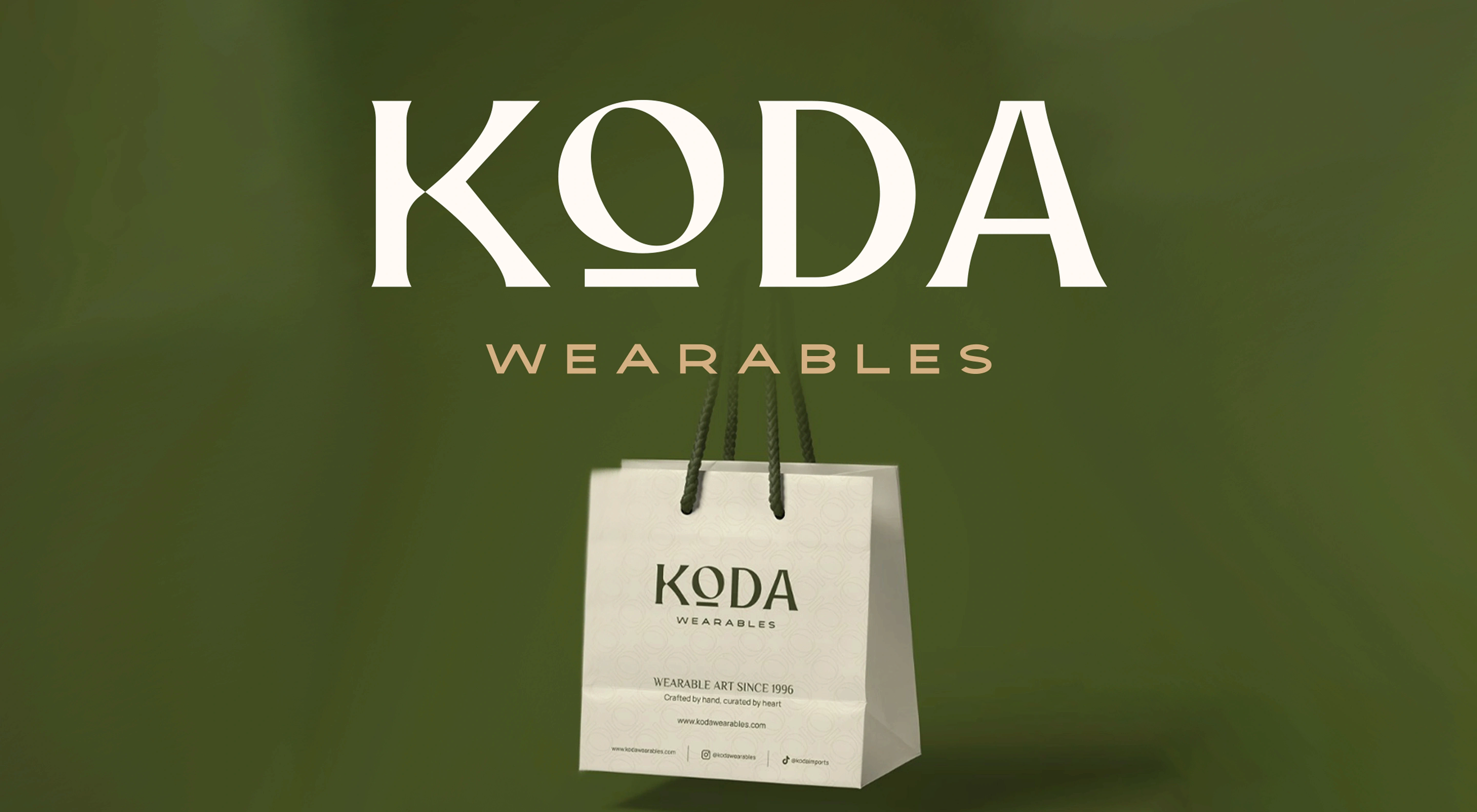
Consider a premium jewellery brand. Its strategy may focus on craftsmanship and understated luxury. That positioning could translate into refined typography, a restrained colour palette, minimal photography, elegant layouts, and a simple wordmark. The logo supports the identity, but the complete system creates the premium perception.
For a B2B SaaS company, the goal may instead be to communicate clarity, reliability, and innovation. A clean combination mark might work alongside accessible colours, structured typography, consistent iconography, and straightforward messaging. Together, these elements create a recognisable experience across the website, product, presentations, and sales materials.
Once both the logo and identity exist, being “on brand” becomes easier to define. It means using the approved logo variation, colours, typography, imagery, layouts, and voice according to established brand guidelines.
This is why the difference between logo and brand identity matters in practice. The logo gives people a visual identifier, while the identity provides the rules and supporting elements that make every touchpoint feel connected.
A logo and brand identity serve different purposes, but they work best as parts of the same system. The relationship can be understood as a simple structure:
Brand strategy → Brand identity → Logo suite
Brand strategy establishes the positioning, audience, personality, and direction of the business. Brand identity translates that strategy into a visual and verbal system. The logo suite then becomes one recognisable element within that identity.
Consider a premium jewellery brand. Its strategy may focus on craftsmanship and understated luxury. That positioning could translate into refined typography, a restrained colour palette, minimal photography, elegant layouts, and a simple wordmark. The logo supports the identity, but the complete system creates the premium perception.
For a B2B SaaS company, the goal may instead be to communicate clarity, reliability, and innovation. A clean combination mark might work alongside accessible colours, structured typography, consistent iconography, and straightforward messaging. Together, these elements create a recognisable experience across the website, product, presentations, and sales materials.
Once both the logo and identity exist, being “on brand” becomes easier to define. It means using the approved logo variation, colours, typography, imagery, layouts, and voice according to established brand guidelines.
This is why the difference between logo and brand identity matters in practice. The logo gives people a visual identifier, while the identity provides the rules and supporting elements that make every touchpoint feel connected.
Do You Need a Logo, a Brand Identity, or Both?
Do You Need a Logo, a Brand Identity, or Both?
Do You Need a Logo, a Brand Identity, or Both?
Choosing between a logo and a complete identity depends on where your business is today and how many places the brand needs to appear.
Pre-launch: If you're testing an idea, validating demand, or running a temporary project, a simple logo may be enough. At this stage, investing in a complete identity before the business direction is clear may not be necessary.
Early revenue: Once customers are paying and your business is appearing across websites, social media, proposals, and marketing materials, a basic brand identity system becomes more valuable. It provides consistency as the number of touchpoints increases.
Scaling: Growing businesses usually need both a professional logo suite and a complete identity. Multiple team members, campaigns, products, and external partners require clear rules to maintain consistency and brand recognition.
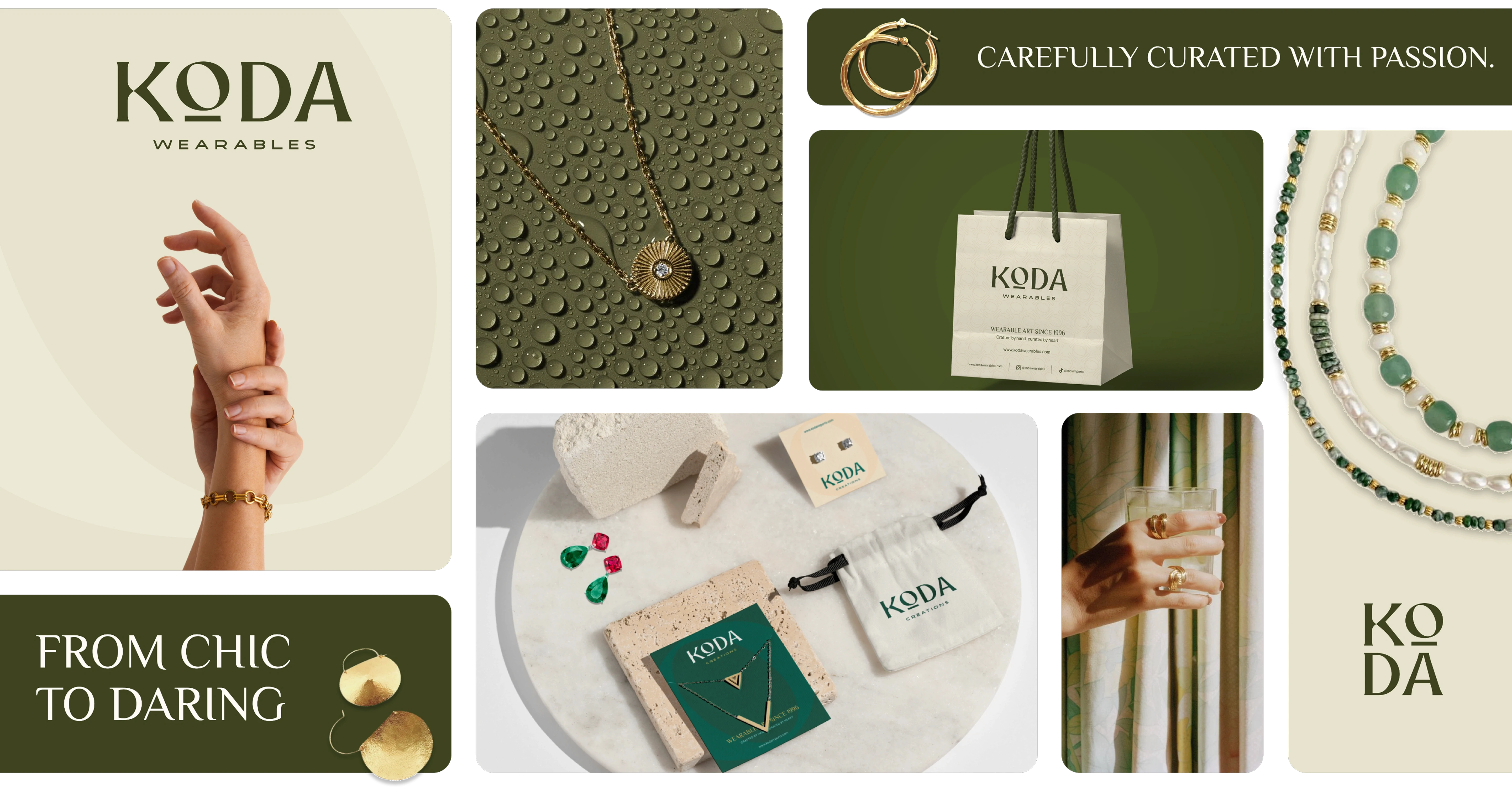
Established but inconsistent: If your business already has a logo but every channel looks different, the problem may not be the logo. Developing or refreshing the wider visual system can bring existing assets together without unnecessarily replacing a recognisable brand mark.
A logo-only engagement is still appropriate when the scope is genuinely limited—for example, an event, internal initiative, or early-stage concept that does not require a wider visual language.
However, commissioning only a logo when you already need websites, presentations, packaging, social content, or marketing collateral often creates additional work later. Each new asset requires new design decisions, and those decisions eventually need to be organised into a system.
If your business needs consistency across multiple channels, our brand identity design service can help build the complete system around your logo.
Choosing between a logo and a complete identity depends on where your business is today and how many places the brand needs to appear.
Pre-launch: If you're testing an idea, validating demand, or running a temporary project, a simple logo may be enough. At this stage, investing in a complete identity before the business direction is clear may not be necessary.
Early revenue: Once customers are paying and your business is appearing across websites, social media, proposals, and marketing materials, a basic brand identity system becomes more valuable. It provides consistency as the number of touchpoints increases.
Scaling: Growing businesses usually need both a professional logo suite and a complete identity. Multiple team members, campaigns, products, and external partners require clear rules to maintain consistency and brand recognition.
Established but inconsistent: If your business already has a logo but every channel looks different, the problem may not be the logo. Developing or refreshing the wider visual system can bring existing assets together without unnecessarily replacing a recognisable brand mark.
A logo-only engagement is still appropriate when the scope is genuinely limited—for example, an event, internal initiative, or early-stage concept that does not require a wider visual language.
However, commissioning only a logo when you already need websites, presentations, packaging, social content, or marketing collateral often creates additional work later. Each new asset requires new design decisions, and those decisions eventually need to be organised into a system.
If your business needs consistency across multiple channels, our brand identity design service can help build the complete system around your logo.
What Brand Identity Design Is Not
What Brand Identity Design Is Not
What Brand Identity Design Is Not
Understanding what is brand identity design also means understanding what it doesn't include. While identity plays an important role in branding, it should not be confused with other business and design disciplines.
Understanding what is brand identity design also means understanding what it doesn't include. While identity plays an important role in branding, it should not be confused with other business and design disciplines.
It Is Not Just a Logo
It Is Not Just a Logo
It Is Not Just a Logo
A logo is only one element of a complete brand identity system. Professional identity design also includes typography, colour palette, imagery, iconography, verbal identity, and brand guidelines that work together to create consistency across every touchpoint.
A logo is only one element of a complete brand identity system. Professional identity design also includes typography, colour palette, imagery, iconography, verbal identity, and brand guidelines that work together to create consistency across every touchpoint.
It Is Not Brand Strategy
It Is Not Brand Strategy
It Is Not Brand Strategy
Brand strategy defines your business goals, target audience, positioning, and competitive direction. Brand identity design brings that strategy to life through visual and verbal communication. Strategy provides the direction; identity gives it a recognizable form.
Brand strategy defines your business goals, target audience, positioning, and competitive direction. Brand identity design brings that strategy to life through visual and verbal communication. Strategy provides the direction; identity gives it a recognizable form.
It Is Not a Design System
It Is Not a Design System
It Is Not a Design System
Although the two are related, they serve different purposes. A brand identity system focuses on how a business looks and communicates, while a design system provides reusable UI components and design standards for digital products. One supports branding, while the other supports product development.
Although the two are related, they serve different purposes. A brand identity system focuses on how a business looks and communicates, while a design system provides reusable UI components and design standards for digital products. One supports branding, while the other supports product development.
It Is Not a One-Time Project
It Is Not a One-Time Project
It Is Not a One-Time Project
Brand identity should evolve alongside your business. As new products, services, campaigns, and platforms are introduced, the identity needs ongoing management to maintain consistency. Regular updates and governance ensure your brand remains relevant while preserving the recognition you've built over time.
Brand identity should evolve alongside your business. As new products, services, campaigns, and platforms are introduced, the identity needs ongoing management to maintain consistency. Regular updates and governance ensure your brand remains relevant while preserving the recognition you've built over time.
FAQ
FAQ
FAQ
Is a logo the same as a brand identity?
Is a logo the same as a brand identity?
Is a logo the same as a brand identity?
No. A logo is a single visual mark. A brand identity is the complete system around it — colour palette, typography, imagery, iconography, voice and the rules that govern how all of it is used.
No. A logo is a single visual mark. A brand identity is the complete system around it — colour palette, typography, imagery, iconography, voice and the rules that govern how all of it is used.
Can I have a brand identity without a logo?
Can I have a brand identity without a logo?
Can I have a brand identity without a logo?
In practice, no. The logo is usually the anchor asset that other elements are built around, though some brands lean more heavily on colour, type or pattern for recognition.
In practice, no. The logo is usually the anchor asset that other elements are built around, though some brands lean more heavily on colour, type or pattern for recognition.
Do I need to redesign my logo to build a brand identity?
Do I need to redesign my logo to build a brand identity?
Do I need to redesign my logo to build a brand identity?
Not necessarily. Many identity projects keep an existing logo that still works and build the surrounding system — colour, type, imagery and guidelines — around it.
Not necessarily. Many identity projects keep an existing logo that still works and build the surrounding system — colour, type, imagery and guidelines — around it.
Which costs more, a logo or a full brand identity?
Which costs more, a logo or a full brand identity?
Which costs more, a logo or a full brand identity?
A full brand identity costs more because it includes strategy, multiple design systems and guidelines documentation, whereas a logo project delivers a single asset family.
A full brand identity costs more because it includes strategy, multiple design systems and guidelines documentation, whereas a logo project delivers a single asset family.
What should a logo design project actually deliver?
What should a logo design project actually deliver?
What should a logo design project actually deliver?
A complete logo suite: primary lockup, horizontal and stacked variants, icon-only mark, mono and reversed versions, favicon and app icon, plus clear space and minimum size rules.
A complete logo suite: primary lockup, horizontal and stacked variants, icon-only mark, mono and reversed versions, favicon and app icon, plus clear space and minimum size rules.
Recomended blogs
Recomended blogs
Recomended blogs
Brand Identity Design
Brand Identity Design
Rebrand vs Brand Refresh: Which Does Your Business Need?
Rebrand vs Brand Refresh: Which Does Your Business Need?
June 24, 2026 | 10 min read
June 24, 2026 | 10 min read

Packaging Design
Brand Identity Design
7 Reasons why good design is crucial for brand
Brand Guidelines Checklist:
24 Things Every Brand Book Needs
June 24, 2021 | 10 min read
June 24, 2026 | 10 min read
Packaging Design
Brand Identity Design
7 Reasons why good design is crucial for brand
11 Brand Identity Mistakes Startups Make (and How to Fix Them)
June 24, 2021 | 10 min read
June 24, 2026 | 10 min read
Brand Identity Design
Brand Guidelines Checklist:
24 Things Every Brand Book Needs
June 24, 2026 | 10 min read
Brand Identity Design
11 Brand Identity Mistakes Startups Make (and How to Fix Them)
June 24, 2026 | 10 min read
Not sure whether you need a logo or a full identity system?
Not sure whether you need a logo or a full identity system?
Not sure whether you need a logo or a full identity system?
Get valuable strategy, culture, and brand insights straight to your inbox.
By signing up to receive emails from Abstrct Design, you agree to our Privacy Policy. We treat your info responsibly. Unsubscribe anytime.
© All rights reserved Abstrct Design - 2026
Contact Us
hello@abstrctdesign.com
To Ring
+91 98194 78752
Get valuable strategy, culture, and brand insights straight to your inbox.
By signing up to receive emails from Abstrct Design, you agree to our Privacy Policy. We treat your info responsibly. Unsubscribe anytime.
© All rights reserved Abstrct Design - 2026
Contact Us
hello@abstrctdesign.com
To Ring
+91 98194 78752
Get valuable strategy, culture, and brand insights straight to your inbox.
By signing up to receive emails from Abstrct Design, you agree to our Privacy Policy. We treat your info responsibly. Unsubscribe anytime.
© All rights reserved Abstrct Design - 2026
Contact Us
hello@abstrctdesign.com
To Ring
+91 98194 78752