Dentaid brand & illustration case study - hero visual, abstrct design

Sustainable Packaging Design Guide for Brands

Sustainable Packaging Design Guide for Brands

Sustainable Packaging Design Guide for Brands

Published

Published

October 12, 2026

October 12, 2026

Read time

Read time

8 min

8 min

Why Sustainable Packaging Is a Design Problem, Not Just a Materials Problem

Why Sustainable Packaging Is a Design Problem, Not Just a Materials Problem

Why Sustainable Packaging Is a Design Problem, Not Just a Materials Problem

Sustainable packaging design is often reduced to one question: what material should we use? Material choice matters, but replacing conventional stock with a recycled or recyclable alternative does not automatically create effective packaging.


The bigger challenge is making sustainability work alongside protection, shelf appeal, usability, and brand perception.


Some customers still associate eco-friendly packaging design with muted colors, rough materials, minimal printing, or packaging that feels less premium. Design has an important role in closing that perception gap. Thoughtful typography, strong color systems, considered structures, and clear information hierarchy can make recycled or uncoated materials feel intentional rather than like a compromise.


Sustainability also begins with the structure itself.


A package may use a recyclable material but still consume more material than necessary because the box is oversized, contains multiple inserts, or uses an inefficient dieline. Structural decisions can reduce waste before alternative materials are even considered.


For example, right-sizing a box around the product can reduce paperboard use and empty space. Simplifying tabs and closures may remove unnecessary components, while an efficient dieline can improve how packaging fits onto a production sheet.


These decisions can also affect storage and shipping efficiency.


That is why sustainable packaging design should begin at the concept stage rather than being added after the structure and graphics are complete.

The strongest approach considers material, structure, production, protection, and visual identity together. Sustainable packaging trends may influence which options brands explore, but effective packaging still has to perform its primary job.


Sustainability works best when it is built into the design system rather than treated as a material substitution at the end.


Sustainable Material Choices and Their Design Implications

Sustainable Material Choices and Their Design Implications

Sustainable Material Choices and Their Design Implications

Material selection is central to sustainable packaging design, but every material choice affects how the package can be structured, printed, finished, and ultimately recycled.


Recycled and recyclable paper-based substrates are common options in eco-friendly packaging design. However, recycled stocks can vary in color, surface texture, and consistency. Uncoated materials may also absorb ink differently from coated stocks, which can influence image sharpness, contrast, and color vibrancy.


Finishes need similar consideration.


Foils, laminations, plastic films, adhesives, and certain coatings can complicate recyclability depending on their composition and the recycling infrastructure available. A recyclable packaging design should therefore be planned as a complete material system rather than assuming the base substrate alone determines recyclability.


Mono-material packaging is another direction within sustainable packaging trends. The principle is to reduce combinations of materials that are difficult for consumers or recycling systems to separate. Where technically suitable, using fewer material types can simplify end-of-life handling.


This can influence structural design. Instead of adding a separate plastic window, foam insert, or mixed-material closure, designers may need to develop a structure that achieves the required protection and presentation using fewer components.


Ink choice also affects design decisions. Soy-based and water-based ink systems may be appropriate for certain printing processes and substrates, but performance varies. Color strength, drying, adhesion, finish, and production compatibility should be discussed with the printer rather than assumed.


For sustainable packaging design, the best material is not simply the one carrying the strongest environmental message. It needs to protect the product, support the desired visual result, work with the production process, and have a realistic end-of-life pathway.


Good eco-friendly packaging design starts by understanding those trade-offs before the visual system is finalized.


Structural Design Strategies That Reduce Waste

Structural Design Strategies That Reduce Waste

Structural Design Strategies That Reduce Waste

Sustainable packaging design starts with structure because one of the most effective ways to reduce packaging waste is simply to use less material.


Before adding sustainable finishes or changing substrates, brands should examine whether the package itself is larger or more complex than necessary.


Right-sizing is an important first step. Packaging designed closely around the product can reduce excess paperboard, unnecessary void space, and the amount of protective filling required. Smaller packs can also improve shipping efficiency by allowing more units to fit into cartons, pallets, or delivery vehicles.


Another strategy is reducing the number of packaging components.


A box may contain multiple inserts, sleeves, trays, wraps, or closures when a simpler structural solution could provide the same protection. Eco-friendly packaging design looks for opportunities to combine functions. A folded paperboard structure, for example, might hold the product securely without requiring a separate plastic insert.


However, material reduction should never compromise product protection. Packaging that uses less material but results in damaged products can create additional waste through replacements and returns.


Designing for reuse offers another opportunity. Some sustainable packaging design systems give the package a useful second life as storage, an organizer, or another functional object. This works best when reuse is natural rather than added as a marketing feature customers are unlikely to use.


Current sustainable packaging trends increasingly encourage designers to think beyond material substitution and consider the entire structure.


Effective recyclable packaging design asks how much material is genuinely necessary, whether components can be removed or combined, and whether the final structure can protect the product efficiently with fewer resources.


Visual Design Strategies for Sustainable Packaging That Still Sells

Visual Design Strategies for Sustainable Packaging That Still Sells

Visual Design Strategies for Sustainable Packaging That Still Sells

Eco-friendly packaging does not need to look plain, unfinished, or inexpensive. One of the central challenges of sustainable packaging design is creating strong shelf appeal while working within the characteristics of recycled, recyclable, or minimally finished materials.


Typography can play a major role. Strong type hierarchy, distinctive typefaces, and confident use of scale can create a premium appearance without relying on multiple decorative finishes. Color can achieve the same effect when it is planned around the selected substrate.


Recycled and uncoated stocks may reproduce colors differently from bright coated materials. Instead of expecting identical results, eco-friendly packaging design can use those material characteristics intentionally. Controlled palettes, strong contrast, natural stock tones, and carefully proofed brand colors can create a distinctive visual identity.


Packaging also provides an opportunity to communicate the sustainability story.


The challenge is doing so without filling limited print space with claims and explanations. A short statement about material sourcing, recyclability, reduced material use, or reuse can be supported by relevant certification marks or clear disposal instructions elsewhere on the pack.


The strongest sustainable packaging design makes sustainability part of the brand story rather than the entire visual identity.


Brands across beauty, food, fashion, and DTC categories have shown that restrained materials can still feel considered when typography, structure, color, and finishing are carefully coordinated. Premium perception does not depend on maximum gloss, foil, or layers.


Among sustainable packaging trends, this is an important shift: the material does not have to hide its recycled or natural character. Good design can use those qualities deliberately while maintaining recognition, differentiation, and shelf appeal.


Certifications and Claims: What Designers Need to Know

Certifications and Claims: What Designers Need to Know

Certifications and Claims: What Designers Need to Know

Sustainable packaging design often includes certification marks, recyclability symbols, sourcing information, or environmental claims. These elements may occupy only a small part of the layout, but they need the same level of accuracy as the rest of the packaging information.


FSC certification is one example commonly associated with paper and paperboard sourcing. When an approved FSC label is used, its placement, size, surrounding clear space, and reproduction need to follow the applicable trademark requirements rather than being redesigned to fit the visual style.


Recyclability symbols and disposal instructions also need careful handling. A package should not be described as recyclable simply because one component can technically be recycled. Actual recyclability can depend on material combinations, coatings, adhesives, local collection systems, and how easily components can be separated.


This is where recyclable packaging design and communication need to work together.


Designers should confirm environmental claims with the brand, supplier, printer, or relevant certification documentation before placing them on-pack. Statements such as "100% recyclable," "plastic-free," "compostable," or "made from recycled material" should accurately reflect the actual package and production process.


Otherwise, eco-friendly packaging design can move into greenwashing: creating a stronger environmental impression than the evidence supports.

Placement matters too. Certification marks and disposal information should be visible and legible without competing with the primary product hierarchy. Secondary or back panels often provide appropriate space for supporting sustainability information.


Responsible sustainable packaging design does not make the biggest possible environmental claim. It communicates specific, supportable information clearly, helping customers understand the package without overstating what it achieves.


Dentaid brand & illustration case study - design exploration visual, abstrct design

The Business Case for Sustainable Packaging

The Business Case for Sustainable Packaging

The Business Case for Sustainable Packaging

Sustainable packaging design is not only an environmental consideration. It can also influence customer perception, material use, shipping efficiency, and the overall economics of a packaging system.

Consumer interest is meaningful, but brands should interpret it carefully. McKinsey’s 2025 global packaging survey of more than 11,000 consumers across 11 countries found that 51% considered packaging’s environmental impact extremely or very important. However, food safety and shelf life ranked higher overall, showing that sustainability does not replace basic expectations around product performance. Recyclability was the sustainability characteristic consumers valued most consistently.

This matters for sustainable packaging design because environmental improvements need to work alongside price, protection, usability, and brand appeal.


The cost implications are equally nuanced.


Some eco-friendly packaging design decisions can reduce costs. Right-sizing a package can decrease material use and potentially improve shipping efficiency. Removing unnecessary inserts, layers, or oversized structures can also simplify production while reducing waste.


Other sustainable packaging choices may cost more. Specialty recycled substrates, particular inks, certified materials, new tooling, or smaller production volumes can increase unit costs depending on the supplier and manufacturing process.


Consumer willingness to pay also varies significantly by market and audience. McKinsey’s 2025 research found meaningful groups willing to pay more for sustainable packaging across all surveyed countries, but willingness differed considerably by geography, age, and income.

The business case for recyclable packaging design should therefore be evaluated project by project.


The strongest sustainable packaging design strategy looks for improvements that create multiple benefits: less material, efficient shipping, credible sustainability communication, appropriate recyclability, and strong shelf appeal.


How to Start a Sustainable Packaging Redesign

How to Start a Sustainable Packaging Redesign

How to Start a Sustainable Packaging Redesign

A sustainable packaging redesign should begin with an audit of the current package, not with a search for the newest sustainable material.

Start by examining where material is being used and whether every component has a necessary function.


Is the box larger than the product requires? Are there unnecessary inserts, sleeves, trays, or layers? Does the packaging combine several materials that customers need to separate? Are coatings, laminations, adhesives, or decorative finishes making an otherwise recyclable package more difficult to process?

This audit creates a practical starting point for sustainable packaging design.


Next, identify opportunities that improve both sustainability and packaging performance. Right-sizing may reduce material while creating a more compact presentation. Removing unnecessary components can simplify the unboxing experience. Moving toward a suitable mono-material structure may support recyclable packaging design while making disposal instructions easier to understand.


Visual impact should be reviewed at the same time.


Eco-friendly packaging design still needs to communicate the brand, protect the product, stand out appropriately, and provide customers with the information they need. Changing to recycled or uncoated stock, for example, may require adjustments to colors, photography, typography, or finishing to maintain shelf appeal.


Prioritize changes based on their actual impact rather than simply following sustainable packaging trends.


A useful redesign process can begin by asking:

  • Can we use less material?

  • Can the package be right-sized?

  • Can components be removed or combined?

  • Is the structure realistically recyclable in the intended market?

  • Can mixed materials be simplified?

  • Are sustainability claims accurate and clear?

  • Will the redesign still protect the product?

  • Does it maintain strong brand recognition and shelf appeal?


Sustainable packaging design works best when sustainability, structure, production, and visual identity are redesigned together rather than addressed as separate problems.


FAQ

FAQ

FAQ

What makes packaging design sustainable?

Sustainable packaging design combines material choices like recyclable or recycled substrates with structural choices like right-sizing and reduced material use, plus responsible ink and finish selection.

Sustainable packaging design combines material choices like recyclable or recycled substrates with structural choices like right-sizing and reduced material use, plus responsible ink and finish selection.

Does sustainable packaging cost more than traditional packaging?

It depends — some sustainable choices, like reducing material and simplifying structure, can lower costs, while specialty recycled substrates may cost more upfront.

Can sustainable packaging still look premium?

Yes, premium perception comes from design choices like typography, color, and finish techniques, which can be applied to sustainable materials just as effectively as conventional ones.

What is mono-material packaging?
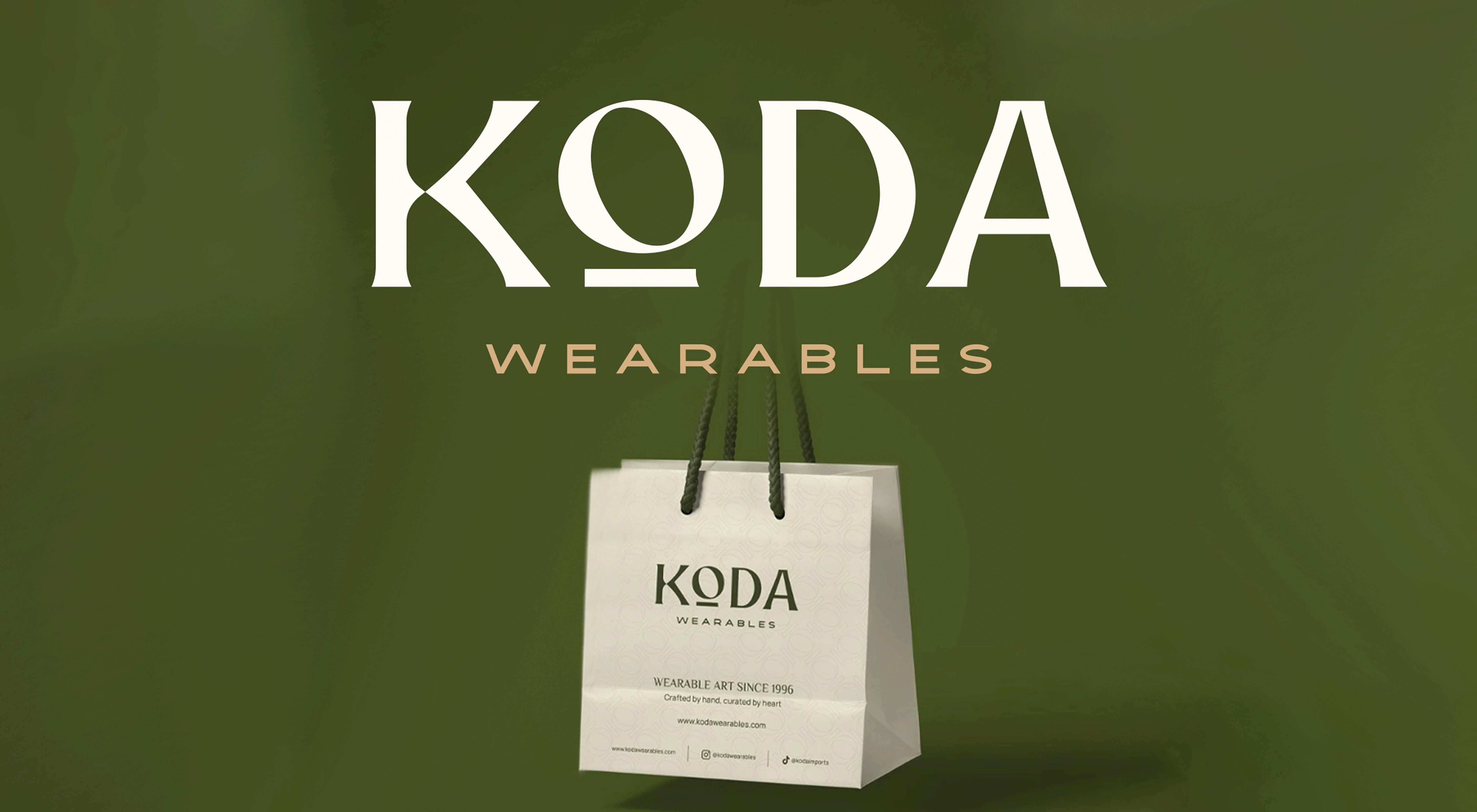
Mono-material packaging uses a single material type throughout the package instead of mixed materials, making it significantly easier to recycle.

Mono-material packaging uses a single material type throughout the package instead of mixed materials, making it significantly easier to recycle.

Recomended blogs

Recomended blogs

Recomended blogs

Brand Identity Design

Brand Identity Design

Logo vs Brand Identity:

What's the Difference?

Logo vs Brand Identity:

What's the Difference?

Logo vs Brand Identity: What's the Difference?

June 24, 2026 | 10 min read

June 24, 2026 | 10 min read

Packaging Design

Brand Identity Design

7 Reasons why good design is crucial for brand

Brand Identity vs Design System: What's the Difference?

June 24, 2021 | 10 min read

June 24, 2026 | 10 min read

Packaging Design

Brand Identity Design

7 Reasons why good design is crucial for brand

How to Choose a Brand Identity Design Agency

June 24, 2021 | 10 min read

June 24, 2026 | 10 min read

Brand Identity Design

Brand Identity vs Design System: What's the Difference?

June 24, 2026 | 10 min read

Brand Identity Design

How to Choose a Brand Identity Design Agency

June 24, 2026 | 10 min read

Want packaging that's better for the planet and still turns heads on shelf?

Want packaging that's better for the planet and still turns heads on shelf?

Partner with Abstrct on your next sustainable packaging redesign.

Partner with Abstrct on your next sustainable packaging redesign.

Get valuable strategy, culture, and brand insights straight to your inbox.

By signing up to receive emails from Abstrct Design, you agree to our Privacy Policy. We treat your info responsibly. Unsubscribe anytime.

© All rights reserved Abstrct Design - 2026

Get valuable strategy, culture, and brand insights straight to your inbox.

By signing up to receive emails from Abstrct Design, you agree to our Privacy Policy. We treat your info responsibly. Unsubscribe anytime.

© All rights reserved Abstrct Design - 2026

Get valuable strategy, culture, and brand insights straight to your inbox.

By signing up to receive emails from Abstrct Design, you agree to our Privacy Policy. We treat your info responsibly. Unsubscribe anytime.

© All rights reserved Abstrct Design - 2026