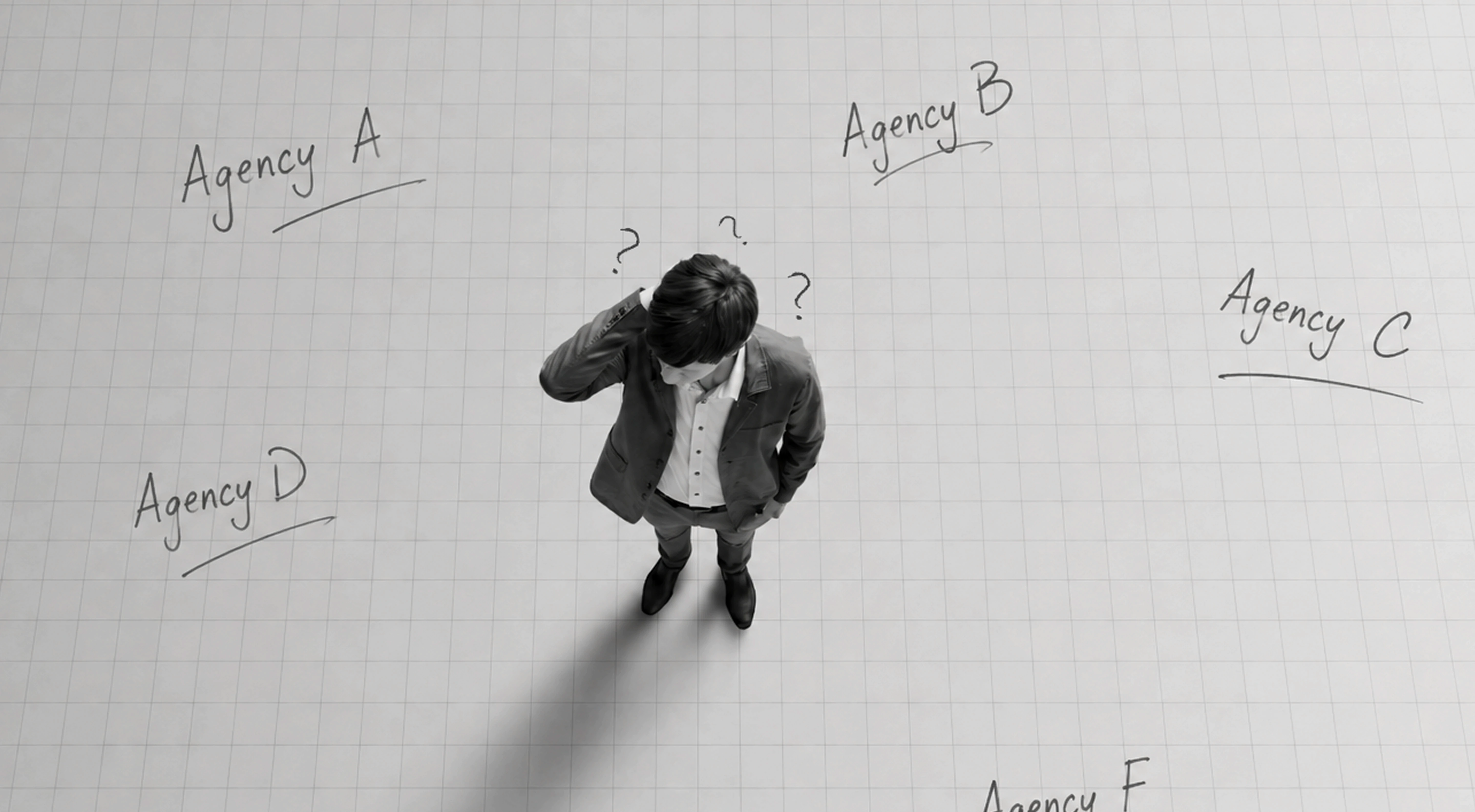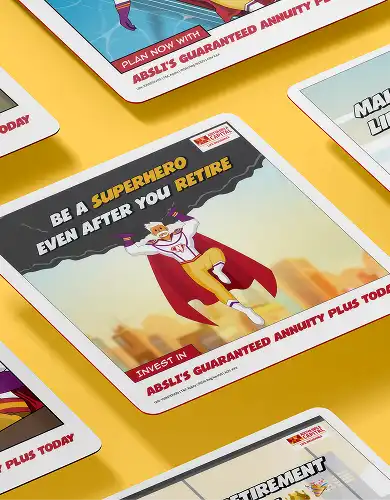
Webcomic design is not simply about creating a comic and publishing it online. A branded webcomic is usually designed as an ongoing series, where characters, themes, stories, and visual elements continue across multiple episodes.
That makes it different from a one-off campaign comic or comic strip for social media.
A standalone comic has one primary job. It might explain a product, communicate a campaign message, make a joke, or generate engagement around a particular moment. Once the message has been delivered, the content can work independently.
A webcomic needs to give readers a reason to return.
Recurring characters, recognizable situations, continuing storylines, or a consistent theme can create familiarity from episode to episode. Over time, the series can become a recognizable part of the brand’s content rather than another isolated marketing asset.
This also changes the production requirements. Successful digital comic publishing needs more than illustration skills. Brands need to consider scripting, character consistency, episode length, publishing cadence, platform requirements, distribution, and audience growth.
Webcomic marketing also requires patience. One episode may introduce the concept, but recognition generally develops through repeated exposure. A brand therefore needs a format it can realistically continue producing without sacrificing quality or consistency.
Before designing characters or panels, think of the webcomic as a content system. What remains consistent? What changes every episode? Where will people discover it? Why should they return?
Answering these questions early creates a stronger foundation for the entire series.
The first step in webcomic design should happen before illustration begins.
Define what the webcomic is expected to achieve.
For some brands, the goal may be awareness. A recurring comic can communicate brand personality through relatable situations and characters without turning every episode into a direct product advertisement.
For others, the goal may be community building. Characters can represent familiar experiences, industry frustrations, customer behaviors, or shared interests that encourage audiences to follow and discuss the series.
Product education is another possibility. A SaaS company, for example, could use recurring workplace characters to demonstrate problems its product helps solve. A consumer brand could build episodes around everyday use cases instead of repeatedly publishing conventional feature posts.
Webcomic marketing can also support a wider content strategy. Individual episodes can live on the brand website while selected panels, teasers, or shorter adaptations are distributed through social media and email.
The target audience should be equally clear. Define who the characters and situations are being created for, what those readers already understand, and what tone is likely to feel relevant to them.
Then decide where the primary reading experience will live.
A brand website provides more control over presentation, navigation, archives, and supporting content. Social platforms can improve distribution but introduce platform-specific dimensions and consumption patterns. Dedicated webcomic platforms may offer established reading behaviors, but their audience expectations and publishing requirements should be evaluated before committing.
The fix is to write a simple strategic statement before production begins: who the webcomic is for, what it should accomplish, where it will primarily live, and why someone should return for another episode.
That statement becomes a filter for later creative decisions.
Characters are often what turn individual episodes into a recognizable series.
If the same character looks significantly different from one episode to another, recognition becomes harder. This is why character consistency should be established early in the webcomic design process.
Create clear references for each recurring character. These should define proportions, clothing, hairstyles, key expressions, distinguishing features, and other visual details that need to remain consistent.
Personality matters just as much as appearance.
A recurring character should have a recognizable way of behaving or speaking. One character might represent the frustrated customer, another the knowledgeable expert, and another the curious beginner. These roles can make future scripting easier because the audience gradually understands how each character fits into the webcomic world.
The illustration style also needs rules.
Line treatment, color palette, backgrounds, typography, speech bubbles, panel borders, iconography, shadows, and other recurring elements should feel connected across episodes. A style guide can document these decisions before the series expands.
This webcomic style guide can sit alongside the main brand guidelines rather than simply duplicating them. The comic may need its own character colors, dialogue system, illustration rules, and panel structures while still remaining recognizably connected to the core brand.
Consistency also improves production efficiency. Designers and illustrators do not need to reinvent visual decisions for every new episode. Reusable character references, environments, panel templates, and graphic elements can create a more repeatable digital comic publishing workflow.
However, consistency should not make every episode visually identical. New settings, expressions, compositions, and situations can keep the series fresh while the underlying system remains recognizable.
The objective is to create a visual world flexible enough for new stories but consistent enough that someone scrolling past a comic strip for social media can recognize the brand or series before even seeing the logo.
Consistency is one of the most important parts of webcomic marketing. If readers begin following a series but new episodes appear unpredictably, it becomes harder to build a habit around the content.
The right publishing cadence depends on production capacity.
A weekly schedule can keep the series active and create frequent audience touchpoints, but it also requires a reliable pipeline for scripting, illustration, review, and publishing. This may work well for shorter episodes or a simple comic strip for social media.
Biweekly publishing provides more production time while still maintaining regularity. For brands creating detailed illustrations, multiple panels, or more developed stories, this can offer a practical balance between frequency and quality.
Monthly publishing may suit longer episodes or highly detailed artwork, although each release may need stronger promotion because there is more time between episodes.
There is no universally correct schedule. A sustainable cadence is better than launching with weekly episodes and switching to irregular publishing after a month.
A useful digital comic publishing practice is to build a content buffer before launch. Instead of publishing the first episode as soon as it is finished, prepare several episodes in advance. This creates breathing room for approvals, unexpected revisions, holidays, campaign changes, or production delays.
The buffer can also help the team evaluate whether the chosen cadence is realistic before making it public.
Treat the webcomic like an editorial series. Maintain a content calendar showing episode topics, scripts, illustration stages, approvals, publication dates, and promotional assets.
The objective is not maximum frequency. It is predictable, sustainable publishing that gives the audience a reason to return.
A strong webcomic design should reflect how people consume content on its primary platform.
For mobile-first experiences, vertical storytelling can be particularly effective. Panels appear sequentially as the reader scrolls, allowing spacing between scenes to influence timing, reveals, and pacing. Text and visual details also need to remain readable on smaller screens.
Social platforms introduce different constraints. A comic strip for social media may work as a single post, a short carousel, or a vertical sequence depending on the platform and story.
The opening frame is especially important. It needs to establish enough interest for someone to stop scrolling and continue reading. Later panels then need to maintain a clear sequence without forcing readers to repeatedly zoom in to understand dialogue or visual details.
A webcomic hosted on a brand website may offer more flexibility. Traditional panel grids can work when the page provides sufficient reading space, while responsive vertical layouts can create a more mobile-friendly experience.
However, the same artwork should not automatically be pushed to every channel unchanged.
A detailed desktop page may become unreadable when reduced to a social post. Similarly, a vertical webcomic may require restructuring before becoming a carousel or printed page.
Panel pacing should therefore be considered alongside platform specifications. Shorter panels and controlled gaps can create quick exchanges, while larger panels can give important moments greater visual weight. The amount of dialogue should also reflect the available reading space.
One useful approach is to identify a primary format and then design adaptations from it. For example, the complete episode could live on the website while selected panels become social teasers that direct readers toward the full story.
Platform-first planning makes webcomic marketing more effective because the comic is designed around actual audience behavior rather than simply resized after completion.
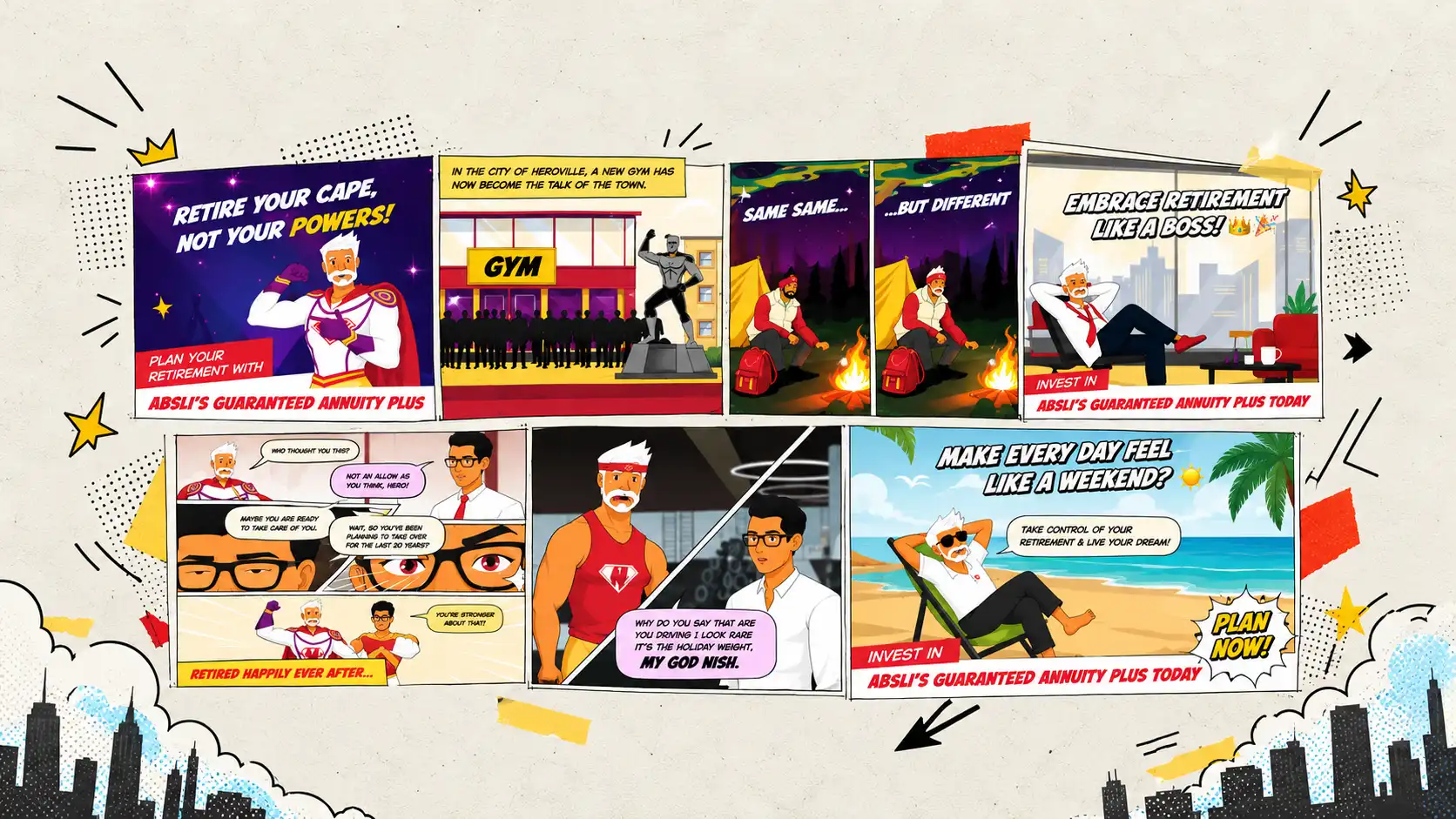
If a branded webcomic lives on the company website, each episode can become part of the wider content ecosystem rather than functioning only as an image-based asset.
Start by giving individual episodes clear, descriptive page titles. A title should help readers understand what the episode is about while also giving search engines useful context.
Supporting text can add further value. A short introduction, episode summary, character context, or related information can provide searchable text without interrupting the comic itself.
Images should also use appropriate alt text where relevant. Alt text should accurately communicate the meaningful content or function of an image for accessibility rather than being treated as a place to repeatedly insert SEO keywords.
Internal linking can connect episodes to relevant products, services, educational resources, previous stories, or the next episode. These links should be useful to readers and fit naturally with the story or supporting page content.
Another important webcomic design consideration is the archive.
As the series grows, create an index or archive page where readers can discover episodes in order. Depending on the structure, this could include episode titles, thumbnails, dates, categories, characters, or short summaries.
Clear previous and next episode navigation can also make it easier for someone discovering one story through search or social media to continue reading.
Digital comic publishing should therefore consider both the individual episode and the growing library around it.
A webcomic can also support broader content marketing. A full episode might generate individual social panels, email content, character posts, behind-the-scenes material, or links from relevant articles. One story can therefore create several distribution opportunities without requiring every asset to start from zero.
SEO should not control the creative narrative, and publishing a webcomic does not guarantee search visibility. But clear page structure, descriptive content, accessible images, useful internal links, and an organized archive can make the series easier for both audiences and search engines to discover and navigate.
When these elements are planned from the beginning, webcomic design becomes more than illustration. It becomes a repeatable content system that can support storytelling, distribution, audience engagement, and the brand’s wider digital presence.
Publishing a webcomic is only the beginning. If audiences do not know new episodes exist, even strong webcomic design can struggle to build consistent readership.
Webcomic marketing therefore needs a distribution plan alongside the publishing calendar.
Start with the channels the brand already owns. New episodes can be promoted through Instagram, LinkedIn, email newsletters, community channels, or other platforms where the target audience is active. Instead of simply posting a link to every episode, adapt the promotion to the channel.
For example, a comic strip for social media could use one particularly relatable or visually interesting moment from the full episode. A carousel could reveal the opening sequence and direct readers to the website for the conclusion. Email could provide a short introduction followed by a clear link to the latest episode.
The episode itself can also encourage continued engagement.
A strong ending might introduce a new problem, leave a question unresolved, tease the next episode, or invite readers to share the comic with someone who would recognize the situation. These techniques should support the story rather than feeling like artificial engagement tactics.
Individual panels can also become useful distribution assets. A funny reaction, useful insight, memorable quote, or recognizable customer situation may work independently as social content while still pointing audiences toward the larger series.
Cross-promotion becomes particularly valuable as the archive grows. A new episode can link back to an earlier story featuring the same character or theme, helping new readers discover more of the series.
The goal is to create a loop: audiences discover an episode, read it, explore related content, and have a clear reason to return.
A branded webcomic should not be evaluated using only the reach of individual posts.
Reach can show how many people potentially encountered an episode, but an ongoing series is designed around repeat engagement. That means webcomic marketing needs measurements that reflect whether people are actually returning and continuing to read.
Return readership is particularly useful. If people who discover one episode come back for later releases, the series may be developing genuine audience interest.
Episode engagement can provide another signal. Depending on the publishing platform and available analytics, brands can examine factors such as page engagement, navigation to another episode, shares, link clicks, or how readers move through the webcomic archive.
Completion can also matter for longer digital comic publishing formats. If audiences regularly begin an episode but rarely reach later sections, the issue could involve pacing, excessive dialogue, confusing comic panels, mobile readability, or simply an episode that is too long for the platform.
Social performance should be interpreted similarly. Shares, saves, comments, and clicks may reveal more about audience interest than impressions alone. A recurring character receiving recognition in comments, for example, can indicate that the visual system is beginning to build familiarity.
Performance should also inform future creative decisions.
If shorter episodes consistently generate stronger completion, consider adjusting length. If certain characters or themes receive more engagement, explore why. If social teasers generate attention but few readers continue to the full episode, review the transition between the promotional content and primary webcomic.
Measurement should improve the series rather than dictate every creative choice.
For an ongoing webcomic, the most useful question is not simply, “How many people saw this episode?” It is, “Are we building an audience that wants to see the next one?”
Launching a branded webcomic becomes easier when the project is treated as a content system from the beginning.
Before illustrating the first episode, define the strategic purpose, audience, primary platform, recurring characters, visual style, episode structure, and publishing cadence. Decide how the series will be promoted and what metrics will indicate whether it is building meaningful engagement.
It is also useful to develop several episodes before launch. This creates a content buffer while giving the creative team an opportunity to test whether the characters, writing style, illustration approach, and production schedule can work consistently.
The webcomic design system should then document the elements that need to remain recognizable across the series. Character references, colors, typography, speech bubbles, panel treatments, recurring environments, and illustration rules can all become part of the working style guide.
At the same time, plan for flexibility. A full website episode may need to become a comic strip for social media. Individual panels may need to work as promotional posts. Characters may eventually appear in campaign assets, email communication, event materials, or other branded content.
A practical pre-launch check should confirm that the team knows the purpose of the series, who it is for, where it will be published, how often episodes will appear, how production will stay ahead of the schedule, how readers will discover new episodes, and how performance will be measured.
Strong digital comic publishing depends on all of these elements working together.
A visually impressive first episode may attract attention, but a recognizable creative system, sustainable cadence, thoughtful distribution, and consistent storytelling are what give a branded webcomic the opportunity to build an audience over time.
If your brand is considering an ongoing comic series, Abstrct’s comic design team can help develop the webcomic strategy, characters, visual system, episode structure, and platform-ready assets needed to launch and grow it.