Many founders treat branding as something to address after the product is built, customers arrive, or funding is secured. In reality, people often encounter the brand before they have enough experience with the product to judge the company on performance alone.
An investor may first see your pitch deck. A potential employee may visit your website before accepting an interview. An early customer may discover you through LinkedIn, an advertisement, an app listing, or a landing page.
At these early touchpoints, startup branding helps shape the first impression.
For an unknown company, consistency can make the business easier to understand and remember. A clear name, recognizable logo, coherent visual identity, focused messaging, and professional presentation can signal that the founders have thought carefully about how the company presents itself.
That does not mean good design can compensate for a weak product, business model, or pitch. Investors still evaluate factors such as the opportunity, team, traction, economics, and execution. Customers ultimately judge whether the product solves their problem.
Branding supports these fundamentals rather than replacing them.
It is also important to distinguish branding from marketing.
Marketing is how a company reaches, attracts, and communicates with an audience. Branding establishes the identity, positioning, personality, and recognizable system behind those communications.
You can think of branding as part of the trust infrastructure that marketing runs on. If every campaign, presentation, social post, and landing page looks and sounds like a different company, marketing has to work harder to build recognition.
Effective branding for startups creates enough consistency that repeated exposure begins to feel connected. That is why branding can matter well before a startup becomes a household name.
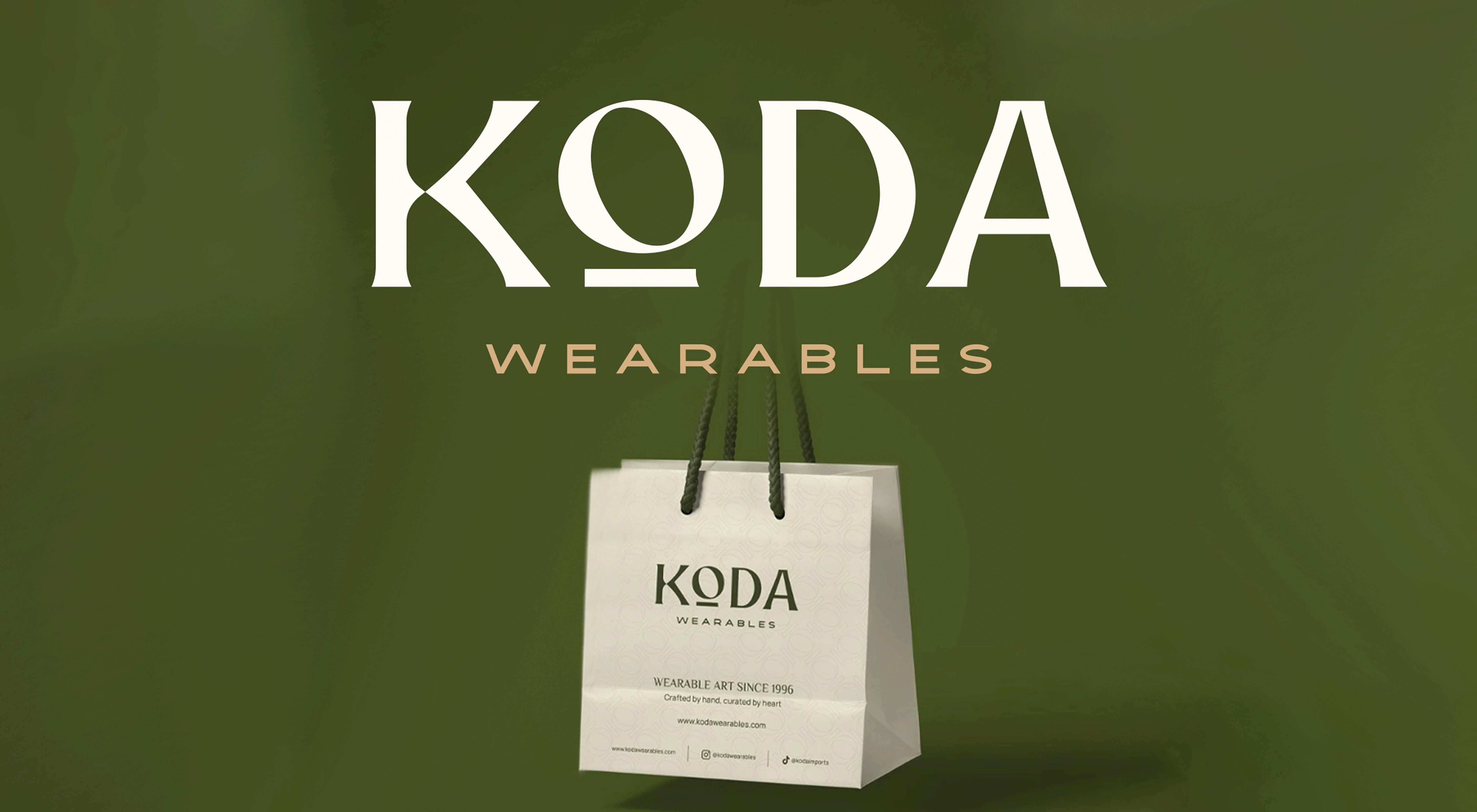
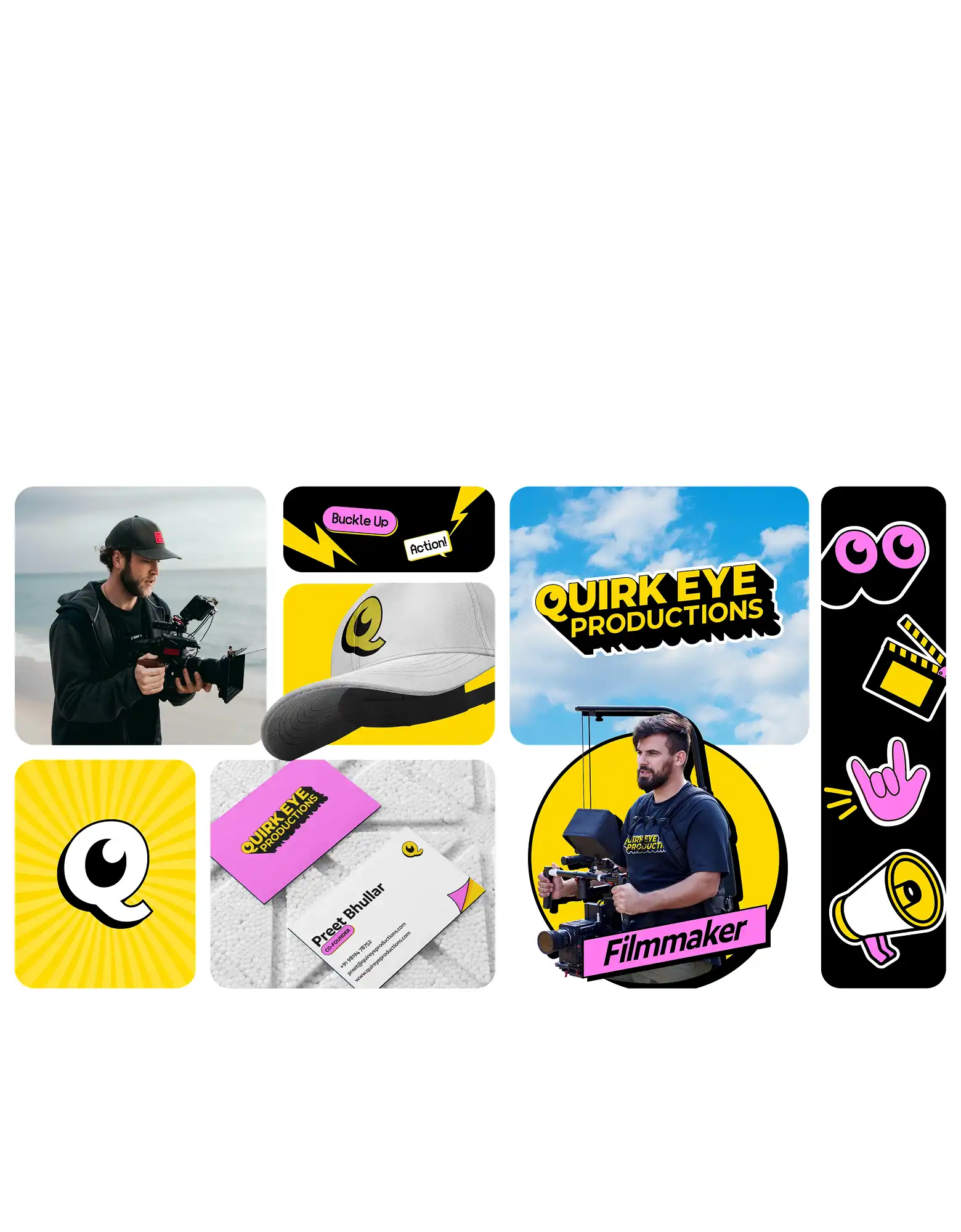
A startup brand identity is more than a logo.
At a practical level, an early-stage branding system usually begins with several connected components: the company name, logo, colors, typography, visual identity, messaging or tone of voice, and basic rules for using those elements consistently.
Naming establishes the verbal foundation. The logo creates a primary recognition asset. Color and typography build visual familiarity across different touchpoints. Messaging helps the startup explain what it does, who it serves, and why someone should care.
Together, these elements create a repeatable system.
Founders learning how to build a startup brand should also think beyond the obvious brand assets.
A pitch deck is one frequently overlooked touchpoint. If the website communicates one visual personality while the investor deck looks completely unrelated, the company can feel less cohesive. The same applies to sales presentations, social profiles, email signatures, proposal documents, recruitment materials, and other everyday communications.
Early-stage startups do not necessarily need hundreds of pages of brand guidelines. They need enough guidance for the people creating these assets to make consistent decisions.
That might include approved logo versions, primary colors, typography, basic layout principles, image direction, and simple examples of how the brand should and should not appear.
Messaging deserves similar attention. A startup should be able to explain its proposition consistently across its homepage, pitch deck, social profiles, and sales conversations without sounding like a different business every time.
The goal is not to create an enormous branding system before launch. It is to establish a useful foundation that can expand as the company grows.
For founders who want to translate these principles into specific deliverables, our Brand Identity Checklist for Startups provides a more tactical companion to this guide.
Startup branding operates under different conditions from branding an established organization.
The biggest difference is uncertainty.
A mature company may already understand its strongest customer segments, competitive position, product portfolio, sales channels, brand perceptions, and long-term business priorities. A startup may still be testing several of these assumptions.
That means an early startup brand needs room to evolve.
Founders should aim for a strong enough identity to launch credibly without treating every visual or verbal decision as permanent. Waiting for perfect certainty can delay the business, while creating an overly rigid system too early can make future changes unnecessarily difficult.
Speed therefore matters.
A startup preparing for an MVP launch may need a focused identity that works across a small number of high-visibility touchpoints. Instead of designing every possible future application, it can prioritize the assets customers, investors, and potential hires will encounter first.
Budget creates another difference.
Early-stage companies usually cannot invest equally in every brand touchpoint. Prioritization becomes essential. For many startups, a recognizable logo, coherent visual identity, credible website or landing page, and consistent pitch deck will matter more initially than developing an exhaustive library of templates and applications that may not be used for months.
The exact priorities depend on the business. A consumer product startup may need packaging earlier. A SaaS startup may prioritize its website, product interface, sales deck, and digital assets. A B2B services company may rely heavily on presentations and proposals.
Another major difference is ownership.
In a mature company, branding decisions may involve a CMO, brand manager, design lead, marketing department, research team, and multiple stakeholders. In an early startup, the founders themselves are often making the decisions.
This can be an advantage because founders usually have strong knowledge of the problem, product, and ambition behind the company. But it can also make branding subjective. Personal preferences such as “I like blue” or “this logo feels premium” can begin replacing decisions based on audience, positioning, differentiation, and usability.
A strategy-led process gives those decisions a clearer foundation.
The objective of branding for startups is therefore not to imitate the complexity of a mature company. It is to create the right level of identity for the current stage while building a foundation that can grow.
A startup brand identity should be recognizable without being restrictive, professional without pretending the company is larger than it is, and complete enough to create consistency without investing heavily in assets the business does not yet need.
That balance becomes especially important as the startup moves from an idea to fundraising, public launch, customer acquisition, and eventually scale.

Startup branding should evolve with the company. A pre-seed founder validating an idea does not need the same brand system as a startup preparing to scale across multiple markets, products, and teams.
The objective is to invest in the level of branding that supports the company’s current stage while leaving enough flexibility for future growth.
Idea / Pre-Seed Stage — Minimum Viable Brand
At the idea or pre-seed stage, speed and clarity are usually more important than building an exhaustive identity system.
The startup may still be validating the problem, product, audience, pricing, or even its name. Investing heavily in applications that could become irrelevant after a strategic pivot can create unnecessary cost.
A minimum viable startup brand identity might include a usable name, simple logo, basic color and typography choices, and a clear one-page presentation of the company.
The emphasis should be on credibility and consistency.
The logo should function across basic digital applications. The typography and colors should be repeatable. The one-pager or landing page should clearly explain what the startup does, who it serves, and why the proposition matters.
At this stage, founders should also perform appropriate name, domain, competitor, and trademark research before becoming heavily invested in an identity. Formal trademark questions may require qualified legal advice.
The goal is not to look like a multinational company from day one. It is to create enough structure that early customers, investors, partners, and hires encounter a coherent business.
Seed Stage — Investor-Ready Brand
By the seed stage, the startup is usually communicating with a broader range of audiences and producing more brand touchpoints.
This is often where an improvised early identity begins showing its limitations.
The logo may need refinement. The website may have grown inconsistent. Presentations created by different people may no longer look connected. Marketing assets might introduce new fonts and colors every few weeks.
Branding for startups at this stage should begin moving from individual assets toward a system.
That can include a refined visual identity, defined color and typography systems, stronger messaging, aligned pitch deck design, reusable presentation styles, social templates, and basic brand guidelines.
Pitch deck consistency becomes particularly important when fundraising. Design does not determine whether a company receives investment, but a clear and coherent presentation can make information easier to understand and can contribute to an overall impression of preparation.
The startup should also be able to reproduce its identity without requiring the original designer to make every asset.
That is the purpose of basic guidelines. They turn design decisions into repeatable rules that founders, employees, agencies, and external partners can follow.
Series A and Beyond — Scaling Brand
As a startup grows, branding becomes an operational challenge as much as a creative one.
More employees create presentations. More campaigns enter the market. Product teams introduce new interfaces. Recruitment expands. Sales teams need collateral. New markets, products, partnerships, and channels may create additional applications.
At this point, the startup brand identity needs enough structure to remain recognizable across all of them.
A scaling system may include comprehensive brand guidelines, expanded templates, illustration or icon systems, photography direction, motion principles, digital design standards, campaign frameworks, and clearer governance around how the brand is used.
Brand ownership may also become more formal.
A company might hire an internal brand or design lead, build an in-house team, work with an embedded design team, or use a combination of internal and external specialists.
The important shift is from asking, “What should this asset look like?” every time something is created to having a system that already provides much of the answer.
These stages are not rigid rules. A consumer startup preparing for a major public launch may need sophisticated branding before raising a seed round, while a specialized B2B company may operate effectively with a smaller system for longer.
The right stage to expand branding depends on visibility, audience, complexity, growth, and business priorities—not simply the funding round written beside the company name.
Founders sometimes treat design as an aesthetic layer that people consciously evaluate: attractive versus unattractive, modern versus outdated, polished versus rough.
In practice, startup branding can influence broader perceptions.
An investor reviewing a startup is primarily interested in the business. The team, market, product, traction, differentiation, economics, and growth opportunity matter far more than whether the logo is fashionable.
However, the way information is presented can still affect the experience of evaluating that business.
A consistent pitch deck with clear hierarchy makes information easier to follow. A website aligned with the deck reduces unnecessary disconnect between touchpoints. Consistent terminology can make the proposition easier to understand.
Together, these details can contribute to an impression of operational discipline and attention to detail.
The opposite can also happen. If the logo changes between documents, slides use unrelated visual styles, messaging contradicts the website, or basic information is difficult to navigate, the presentation may feel less considered.
These issues do not automatically make the underlying business weak. But they introduce avoidable friction.
Customers face a different problem: perceived risk.
Early adopters are being asked to try a company without years of reputation, reviews, familiarity, or established market presence. A coherent startup brand identity can make that unfamiliar company easier to understand and recognize.
For example, imagine discovering two unknown software products offering similar solutions. One presents a clear proposition, consistent interface, recognizable visual identity, coherent website, and professional communications. The other presents conflicting messages and inconsistent visual assets across every touchpoint.
Branding alone cannot prove which product is better or safer. But consistency can reduce some of the uncertainty surrounding an unfamiliar company.
This is why learning how to build a startup brand is partly about creating recognition through repetition.
Customers see the website, then a social post, then an advertisement, then a sales presentation. When the same visual and verbal cues appear across those interactions, they begin to connect.
Trust itself still has to be earned through the product, customer experience, evidence, reliability, transparency, and delivery.
Branding helps create the framework in which that trust can accumulate.
The same principle applies to investors, employees, partners, and customers: a startup does not need to look artificially large or excessively polished. It needs to look intentional, understandable, and consistent.
The specific branding mistakes that can negatively affect investor perception deserve their own discussion. Our companion guide on startup branding mistakes for investor perception explores those issues in greater detail.
Building a startup brand identity is rarely a one-time project. The company, product, audience, and market can change quickly, so the identity needs enough consistency to build recognition while remaining flexible enough to evolve.
One common mistake is treating branding as something that becomes “finished” after the logo and website launch.
As the startup grows, new requirements appear: pitch decks, campaigns, social content, product interfaces, sales collateral, recruitment materials, partnerships, events, and potentially new products. Without a system behind the original identity, each new asset can gradually push the brand in a different direction.
Another mistake is over-investing in logo polish while neglecting practical consistency.
A carefully designed logo cannot compensate for presentations using different fonts, social posts introducing unrelated colors, inconsistent messaging, or a website that feels disconnected from the rest of the company.
For early-stage branding for startups, a smaller but repeatable system can be more useful than an elaborate logo with no guidance around it.
Founders should also avoid DIY-ing everything indefinitely.
Creating early assets internally can make sense while validating an idea. The problem begins when temporary solutions continue into stages where the company is becoming more visible.
Fundraising, a major public launch, entry into a competitive market, rapid customer growth, or expansion of the internal team can all be useful moments to reassess the identity.
Another pitfall is copying the visual language of successful competitors too closely. If every startup in a category uses similar typography, colors, illustrations, and abstract symbols, following those conventions too literally makes recognition harder.
Learning how to build a startup brand involves understanding category expectations without disappearing into them.
Finally, avoid creating an identity for the company you imagine five years from now while ignoring what the business needs today. Build enough structure for the next meaningful stage, then expand the system as the company earns greater complexity.
Not every startup needs an agency from day one.
During early validation, founders may be able to create a simple identity themselves or work with an individual designer. If the product, audience, positioning, and even company name are still changing rapidly, a lightweight approach can prevent unnecessary investment.
The decision changes when branding begins affecting important business moments.
An approaching fundraising round is one signal. A startup preparing to speak with investors may need stronger alignment between its identity, website, pitch deck, messaging, and supporting materials.
A public launch is another.
Once a company begins investing significantly in customer acquisition, PR, partnerships, events, or advertising, inconsistent branding becomes visible to a much larger audience. At that stage, building a stronger foundation before scaling communication can be more efficient than correcting fragmented assets later.
Team growth can create a similar inflection point.
When only two founders create everything, informal decisions may be manageable. Once marketers, sales teams, product designers, recruiters, agencies, and freelancers begin producing branded material, those decisions need to become documented rules.
That is where professional support can become particularly valuable.
A startup-focused branding engagement does not necessarily need to reproduce the scope of a large corporate rebrand. It can be structured around the most important requirements for the current stage.
Depending on the startup, that might include positioning and discovery, logo design, color and typography systems, visual direction, messaging principles, pitch deck alignment, key digital applications, and practical brand guidelines.
The scope should follow the startup’s priorities and budget.
For example, a SaaS startup preparing to raise funding may prioritize its identity, website, pitch deck, product-related visuals, and presentation system. A consumer startup preparing for retail may need to prioritize identity, packaging, photography direction, and launch communication instead.
This is why choosing between DIY and professional startup branding should not simply come down to whether the founder can create a logo.
Ask whether the business has reached a point where inconsistent branding creates meaningful risk, wastes internal time, or makes it harder for multiple people to communicate as one company.
If it has, professional support may be worth the investment.
A founder can still remain closely involved. In fact, early-stage branding often benefits from direct founder participation because founders hold much of the knowledge about the problem, product, ambition, and customer.
The agency’s role is to translate that knowledge into a strategic and usable identity system rather than replace the founder’s perspective.
Ultimately, successful startup branding is about building the right amount of brand for the stage you are in.
At the beginning, that may mean a name, simple logo, clear proposition, and credible landing page. As the company gains traction, it can become a refined identity, aligned pitch deck, stronger messaging, and basic guidelines. At scale, it becomes a larger system that helps multiple teams create consistent experiences without starting from scratch every time.
The goal is not perfection from day one.
It is consistency where it matters, flexibility where the company is still learning, and a clear foundation that can evolve as the business grows.
If your startup is approaching a raise, public launch, or another stage where the existing identity is no longer keeping pace with the company, Abstrct can help build a startup brand identity around the priorities you need now while creating a system that has room to grow.