Dentaid brand & illustration case study - hero visual, abstrct design

Brand Consistency Across Channels: A Governance Model for Growing Teams

Brand Consistency Across Channels: A Governance Model for Growing Teams

Brand Consistency Across Channels: A Governance Model for Growing Teams

Published

Published

October 26, 2026

October 26, 2026

Read time

Read time

10 min

10 min

Why Brand Consistency Slips as Teams Grow

Why Brand Consistency Slips as Teams Grow

Why Brand Consistency Slips as Teams Grow

Maintaining brand consistency is relatively simple when a small team manages every design, campaign, and communication. However, as businesses expand, more people become responsible for creating and publishing branded content.

Marketing teams, sales departments, external agencies, freelancers, and regional offices may all produce materials independently.

Without a shared system, small differences begin to appear across channels.

More Teams, More Interpretations

More Teams, More Interpretations

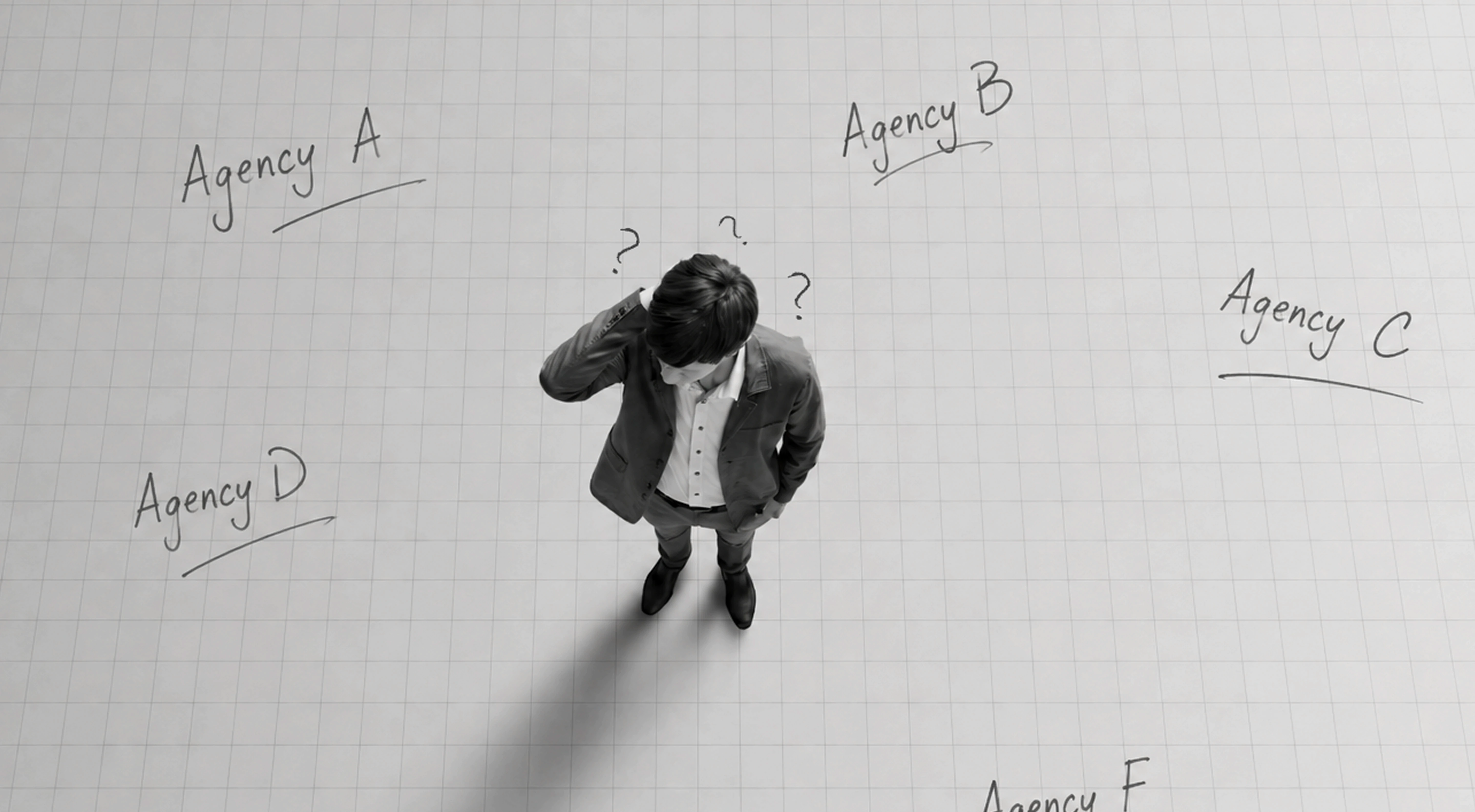
Different teams often interpret brand guidelines differently.

A social media designer may use one typography style, while the sales team creates presentations with another. Regional marketing teams might introduce new colors or layouts to suit local campaigns.

Individually, these changes may seem minor. Together, they can weaken the brand's visual identity.

Common challenges include:

  • Inconsistent logo sizes, colors, and placement.

  • Different typography across marketing materials.

  • Outdated templates being reused.

  • Conflicting messaging across channels.

  • Agencies working with different versions of brand assets.

  • Unclear approval responsibilities.

These issues usually arise because teams lack accessible guidelines, standardized resources, or clear ownership.

Consistency Does Not Mean Identical Designs

Consistency Does Not Mean Identical Designs

Brand consistency is not about making every creative look exactly the same.

A LinkedIn carousel, website landing page, product brochure, and Instagram advertisement serve different purposes.

Each format needs flexibility while maintaining recognizable brand elements.

The goal is to establish a consistent visual and communication system that works across channels without restricting creativity.

What Inconsistent Branding Costs You

What Inconsistent Branding Costs You

What Inconsistent Branding Costs You

Inconsistent branding can affect more than the appearance of marketing materials.

It may influence customer recognition, internal efficiency, and the overall experience of interacting with a business.

Inconsistent branding can affect more than the appearance of marketing materials.

It may influence customer recognition, internal efficiency, and the overall experience of interacting with a business.

Inconsistent branding can affect more than the appearance of marketing materials.

It may influence customer recognition, internal efficiency, and the overall experience of interacting with a business.

Weaker Brand Recognition

Customers build familiarity through repeated exposure to recognizable visual and verbal elements.

When logos, colors, typography, and messaging change frequently, that recognition becomes harder to establish.

A consistent identity helps customers connect different campaigns and communications to the same business.

More Rework and Production Delays

When brand standards are unclear, designers may spend additional time correcting assets or seeking approvals.

Marketing teams might also recreate templates that already exist elsewhere in the organization.

These inefficiencies become more noticeable as content volume increases.

A Fragmented Customer Experience

Customers may encounter a brand through advertisements, websites, emails, presentations, and sales materials.

If these touchpoints feel disconnected, the experience can appear less cohesive.

Strong brand governance helps maintain continuity while allowing each channel to communicate appropriately.

A 4-Layer Brand Governance Model

A 4-Layer Brand Governance Model

A 4-Layer Brand Governance Model

Brand governance is the system of guidelines, resources, responsibilities, and review processes used to maintain brand consistency.

For growing teams, an effective governance model should make it easy to create compliant materials without requiring approval for every minor decision.

A practical approach includes four connected layers.

Layer 1: Guidelines People Actually Use

Layer 1: Guidelines People Actually Use

Brand guidelines should be clear, accessible, and practical.

A lengthy document is not necessarily useful if employees cannot quickly find the information they need.

Effective guidelines typically cover:

  • Logo variations, placement, and minimum sizes.

  • Primary and secondary brand colors.

  • Typography and text hierarchy.

  • Photography, illustration, and icon styles.

  • Tone of voice and messaging principles.

  • Examples of correct and incorrect applications.

Guidelines should also demonstrate how the identity works across real marketing formats.

For example, showing approved social media layouts and presentation slides can be more useful than providing abstract design rules alone.

The objective is to make brand compliance straightforward for everyone producing content.

Layer 2: Templates and Component Libraries

Layer 2: Templates and Component Libraries

Guidelines explain the rules, while templates help teams apply them consistently.

Reusable design assets reduce repetitive work and prevent unnecessary variations.

Growing businesses can create approved templates for recurring requirements such as social media posts, sales presentations, email banners, reports, and marketing brochures.

Component libraries can also standardize elements such as buttons, icons, typography styles, and layout structures.

These resources allow different teams to work efficiently while maintaining a recognizable brand identity.

Templates should be reviewed periodically to ensure they remain aligned with current brand standards.

Layer 3: Roles and Approvals

Layer 3: Roles and Approvals

Brand consistency becomes difficult when nobody is clearly responsible for maintaining it.

As organizations grow, marketing managers, designers, content teams, and external partners may all make branding decisions.

A structured approval system helps define who can create, review, and approve branded materials.

Assign Clear Brand Ownership

Assign Clear Brand Ownership

One person or team should be responsible for maintaining the brand identity system.

Depending on the organization's size, this responsibility may belong to a brand manager, creative director, or marketing lead.

Their responsibilities should include maintaining guidelines, approving significant changes, and ensuring teams have access to updated resources.

However, not every asset needs to go through the same approval process.

Create Approval Levels

Create Approval Levels

A practical brand governance system can divide creative requests into three categories:

  • Routine assets: Pre-approved templates that teams can use without additional design approval.

  • Campaign assets: New layouts or messaging that require review by a marketing or brand lead.

  • Major brand changes: Updates to logos, typography, colors, or core messaging that require formal approval.

This approach maintains brand compliance without creating unnecessary delays.

Layer 4: Audits and Feedback Loops

Layer 4: Audits and Feedback Loops

Even strong guidelines cannot prevent every inconsistency.

Regular audits help identify where the brand identity is being applied incorrectly or where existing guidelines are insufficient.

Review Real Brand Applications

Review Real Brand Applications

Instead of reviewing guidelines in isolation, examine actual customer-facing materials.

These may include website pages, social media posts, advertisements, presentations, brochures, and email campaigns.

Look for recurring issues such as incorrect logos, inconsistent typography, outdated colors, or messaging that does not reflect the brand's positioning.

Turn Feedback Into Improvements

Turn Feedback Into Improvements

Brand audits should do more than identify mistakes.

If multiple teams repeatedly struggle with the same requirement, the problem may be unclear instructions or missing templates.

Use audit findings to improve guidelines, update shared assets, and provide practical examples.

This creates a feedback loop that makes brand consistency easier to maintain over time.

Dentaid brand & illustration case study - design exploration visual, abstrct design

Governing Agencies, Freelancers and Regional Teams

Governing Agencies, Freelancers and Regional Teams

Governing Agencies, Freelancers and Regional Teams

External partners and distributed teams introduce additional challenges because they may not have the same familiarity with the brand as internal employees.

A clear onboarding process helps reduce inconsistencies.

External partners and distributed teams introduce additional challenges because they may not have the same familiarity with the brand as internal employees.

A clear onboarding process helps reduce inconsistencies.

External partners and distributed teams introduce additional challenges because they may not have the same familiarity with the brand as internal employees.

A clear onboarding process helps reduce inconsistencies.

Provide a Standard Brand Kit

Provide a Standard Brand Kit

Every agency, freelancer, or regional team should receive the same approved resources.

A brand kit should contain current logos, fonts, color specifications, templates, guidelines, and relevant examples.

Avoid sharing outdated files through scattered email attachments.

Instead, provide access to a centralized library where the latest assets are available.

Define What Can Be Adapted

Define What Can Be Adapted

Regional teams may need to adjust language, imagery, or messaging for different audiences.

However, these adaptations should follow established brand principles.

Clearly distinguish between fixed elements, such as logo proportions, and flexible elements, such as campaign photography or localized copy.

This allows teams to respond to their audiences without weakening the overall identity.

Establish a Feedback Process

Establish a Feedback Process

External partners should know who reviews their work and how feedback will be provided.

Assign a primary contact who can consolidate comments and resolve conflicting instructions.

A consistent review process improves efficiency and helps external teams understand brand expectations.

Brand Compliance Checklist for Every Asset

Brand Compliance Checklist for Every Asset

Brand Compliance Checklist for Every Asset

Before publishing any branded material, teams should complete a simple quality check.

The following checklist can be used across social media, websites, presentations, advertisements, and print materials.

Before publishing any branded material, teams should complete a simple quality check.

The following checklist can be used across social media, websites, presentations, advertisements, and print materials.

Before publishing any branded material, teams should complete a simple quality check.

The following checklist can be used across social media, websites, presentations, advertisements, and print materials.

Visual Identity

Visual Identity

  • Is the correct logo version being used?

  • Are logo proportions, spacing, and placement consistent with the guidelines?

  • Do the colors match the approved brand palette?

  • Are typography and text hierarchy consistent?

  • Does the imagery or illustration style reflect the brand identity?

Messaging and Content

Messaging and Content

  • Does the tone of voice match the brand's communication style?

  • Is the messaging appropriate for the intended audience?

  • Are product names, service descriptions, and brand terminology accurate?

  • Have spelling, grammar, and factual claims been reviewed?

Final Approval

Final Approval

  • Is the asset suitable for its intended platform and format?

  • Have the necessary stakeholders approved it?

  • Is the latest approved version being published?

  • Has the final file been stored in the correct asset library?


A consistent checklist makes brand compliance easier to manage, especially when multiple teams produce content simultaneously.

How to Run a Brand Consistency Audit

How to Run a Brand Consistency Audit

How to Run a Brand Consistency Audit

A brand consistency audit helps businesses evaluate whether their identity is being applied correctly across different channels.

For growing teams, regular audits can identify inconsistencies before they become widespread.

A brand consistency audit helps businesses evaluate whether their identity is being applied correctly across different channels.

For growing teams, regular audits can identify inconsistencies before they become widespread.

A brand consistency audit helps businesses evaluate whether their identity is being applied correctly across different channels.

For growing teams, regular audits can identify inconsistencies before they become widespread.

Step 1: Collect Brand Materials

Step 1: Collect Brand Materials

Gather recent examples from the website, social media, advertisements, presentations, email campaigns, and printed materials.

Include work created by internal teams, agencies, and freelancers to understand how consistently the brand is being represented.

Step 2: Compare Against Guidelines

Step 2: Compare Against Guidelines

Review each asset against the approved brand guidelines.

Evaluate logo usage, typography, colors, imagery, messaging, and layout consistency.

Identify deviations that affect recognition or create confusion.

Step 3: Prioritize Corrections

Step 3: Prioritize Corrections

Not every inconsistency requires immediate action.

Prioritize issues based on visibility, frequency, and potential impact.

For example, an incorrect logo on the homepage may require faster correction than a minor spacing issue in an internal presentation.

Step 4: Assign Ownership and Track Progress

Step 4: Assign Ownership and Track Progress

Document the required corrections, assign responsible team members, and establish realistic deadlines.

Review completed updates and identify whether guidelines or templates need improvement.

Repeat the audit periodically to maintain brand consistency as the business grows.

Tools for Brand Governance

Tools for Brand Governance

Tools for Brand Governance

The right tools can make brand governance easier to manage across departments and external partners.

However, businesses do not necessarily need expensive software to establish a reliable system.

The right tools can make brand governance easier to manage across departments and external partners.

However, businesses do not necessarily need expensive software to establish a reliable system.

The right tools can make brand governance easier to manage across departments and external partners.

However, businesses do not necessarily need expensive software to establish a reliable system.

Design and Component Libraries

Design and Component Libraries

Figma can help teams maintain shared design components, templates, and visual styles.

Centralized libraries reduce the need to recreate common elements and make approved assets easier to access.

Digital Asset Management

Digital Asset Management

Google Drive, SharePoint, or dedicated digital asset management platforms can store logos, images, templates, and brand guidelines.

Use clear naming conventions and access permissions to prevent outdated files from being reused.

Project Management and Approvals

Project Management and Approvals

Tools such as Asana, Trello, and ClickUp can help teams track creative requests, feedback, approvals, and deadlines.

The most important requirement is having a consistent workflow that everyone follows.

Audit Your Brand Consistency

Audit Your Brand Consistency

Audit Your Brand Consistency

As businesses grow, maintaining a recognizable identity becomes increasingly challenging.

Different teams, agencies, and channels need enough flexibility to communicate effectively while following the same brand principles.

A structured brand governance model helps balance these requirements.

As businesses grow, maintaining a recognizable identity becomes increasingly challenging.

Different teams, agencies, and channels need enough flexibility to communicate effectively while following the same brand principles.

A structured brand governance model helps balance these requirements.

As businesses grow, maintaining a recognizable identity becomes increasingly challenging.

Different teams, agencies, and channels need enough flexibility to communicate effectively while following the same brand principles.

A structured brand governance model helps balance these requirements.

How Abstrct Design Can Help

How Abstrct Design Can Help

Abstrct Design supports businesses through brand identity design, brand guidelines, and related creative services.

For growing organizations, a brand consistency review can help identify gaps in visual applications, outdated assets, and areas where clearer guidelines or templates may be useful.

The goal is to establish a brand system that teams can apply confidently across different platforms.

Whether you are scaling your marketing operations or working with multiple creative partners, consistent branding begins with clear standards and practical implementation.

FAQ

FAQ

FAQ

What Is Brand Governance?

Brand governance is the system of guidelines, responsibilities, tools, and approval processes used to maintain a consistent brand identity across teams and communication channels.

Who Should Own Brand Consistency?

A brand manager, creative director, or marketing lead should oversee brand consistency, while individual teams remain responsible for following the approved guidelines.

How Often Should We Audit Our Brand?

Growing businesses can conduct a comprehensive brand audit every six to twelve months, supported by smaller quarterly reviews of important customer-facing materials.

Do Small Teams Need Brand Guidelines?

Yes, even small teams benefit from basic guidelines covering logos, colors, typography, and messaging. These standards become especially valuable when the business begins working with freelancers or external agencies.

How Do We Enforce Guidelines With Agencies?

Provide agencies with approved brand assets, clear guidelines, defined approval responsibilities, and a consistent feedback process. Include brand compliance expectations in the project brief.
Recomended blogs

Recomended blogs

Recomended blogs

Brand Identity Design

Brand Identity Design

Logo vs Brand Identity:

What's the Difference?

Logo vs Brand Identity:

What's the Difference?

Logo vs Brand Identity: What's the Difference?

June 24, 2026 | 10 min read

June 24, 2026 | 10 min read

Packaging Design

Brand Identity Design

7 Reasons why good design is crucial for brand

Brand Identity vs Design System: What's the Difference?

June 24, 2021 | 10 min read

June 24, 2026 | 10 min read

Packaging Design

Brand Identity Design

7 Reasons why good design is crucial for brand

How to Choose a Brand Identity Design Agency

June 24, 2021 | 10 min read

June 24, 2026 | 10 min read

Brand Identity Design

Brand Identity vs Design System: What's the Difference?

June 24, 2026 | 10 min read

Brand Identity Design

How to Choose a Brand Identity Design Agency

June 24, 2026 | 10 min read

Audit your brand consistency

Audit your brand consistency

Audit your brand consistency

Get valuable strategy, culture, and brand insights straight to your inbox.

By signing up to receive emails from Abstrct Design, you agree to our Privacy Policy. We treat your info responsibly. Unsubscribe anytime.

© All rights reserved Abstrct Design - 2026

Get valuable strategy, culture, and brand insights straight to your inbox.

By signing up to receive emails from Abstrct Design, you agree to our Privacy Policy. We treat your info responsibly. Unsubscribe anytime.

© All rights reserved Abstrct Design - 2026

Get valuable strategy, culture, and brand insights straight to your inbox.

By signing up to receive emails from Abstrct Design, you agree to our Privacy Policy. We treat your info responsibly. Unsubscribe anytime.

© All rights reserved Abstrct Design - 2026

3. Solution

10. Team